

 Package tour
Ten destinations across Vietnam set to draw record international visitors in 2026
Vietnam enters 2026 with a tourism sector that the United Nations World Tourism Organization has recognised as among the fastest-recovering and fastest-growing in the world. Underpinned by an expanding visa exemption framework, a strengthening international aviation network, and a portfolio of destinations that span beach resorts, imperial heritage cities, highland landscapes, and dynamic urban centres, the country is attracting sustained attention from global travel platforms and media alike. Based on international travel rankings for 2025, forward-looking trend data from leading online travel agencies including Booking.com, Expedia, and Agoda, and assessments from senior figures in Vietnam's travel industry, the following ten destinations have been identified as those most likely to generate the strongest growth in international arrivals throughout 2026
The established icons: destinations leading the growth
1. Phu Quoc
Featured in Expedia's Trending Destinations 2026 list with a 53 percent increase in searches and named on Business Traveller's global hot list, Phu Quoc welcomed an estimated 8.14 million visitors in 2025 — a 104 percent increase over the previous year. The island draws particularly strongly from Eastern European, Russian, South Korean, and Indian markets, which are characterised by longer stays and higher per-visitor spending. With APEC 2027 preparations accelerating infrastructure investment and an increasingly international hospitality ecosystem, Phu Quoc is positioned to retain its status as Vietnam's leading island destination throughout 2026.
2. Da Nang — Hoi An
.jpg)
Following the administrative merger of Da Nang city and Quang Nam province, the Da Nang — Hoi An corridor has emerged as one of Vietnam's most complete destination clusters on the international map — a convergence of coastline, mountains, modern city infrastructure, and UNESCO heritage. AFAR magazine has rated Da Nang as one of the outstanding global destinations for 2026, describing it as "a rapidly emerging coastal city in Southeast Asia." Five international airlines launched new routes to Da Nang in 2025, including Emirates and Philippine Airlines, directly connecting the city with Bangkok, Manila, and other key Asian hubs and reinforcing its role as a regional gateway rather than a simple tourism stopover.
3. Nha Trang
-copy.jpg)
According to a report by Yanolja Research, Nha Trang has made an impressive leap to 31st place in the Global Cities Attractiveness Index 2024 — ranking above both Da Nang and Hanoi in the same index. The recovery of international flight routes, particularly from China and Singapore, is giving Nha Trang renewed momentum in 2026, with South Korean, Russian, and Chinese visitors identified as the primary growth markets. The city's combination of accessible beaches, established resort infrastructure, and a rich offshore island environment continues to make it one of Vietnam's most visited coastal destinations.
The rising stars: destinations gaining international momentum
4. Quy Nhon
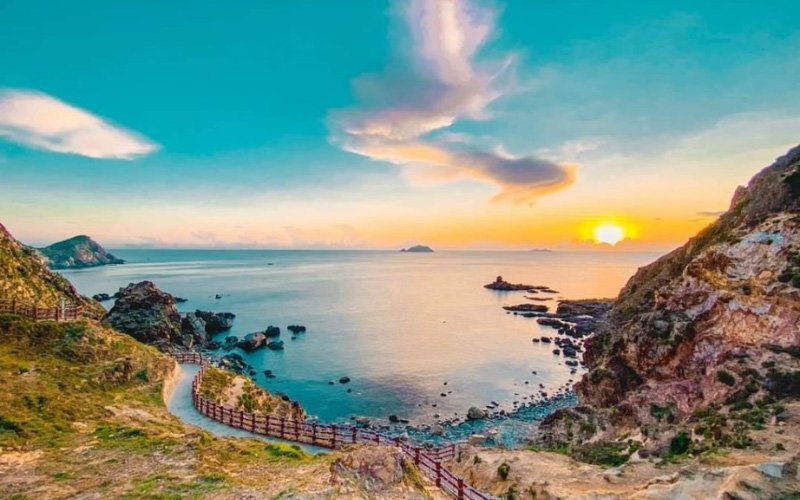
Named by Lonely Planet among the world's top 25 destinations for 2026 — the only Vietnamese destination on that list — Quy Nhon has emerged as a destination of significant international interest. Following the provincial merger with Gia Lai, the destination now combines Binh Dinh's celebrated beaches including Ky Co and Eo Gio with the highland landscapes and indigenous cultural experiences of the central plateau. The Quy Nhon circuit is gaining particular traction among European and Australian travellers seeking an alternative to Vietnam's more established coastal destinations.
5. Ho Chi Minh City
.jpg)
Vietnam's largest city and its primary southern gateway, Ho Chi Minh City welcomed more than 7.3 million international visitors in the first eleven months of 2025 — continuing to lead the country in international arrivals. The city's appeal to international travellers rests on its image as a dynamic and safe urban destination, its vibrant and diverse nightlife, its street food culture, and its function as the natural launch point for itineraries extending to the Mekong Delta, Phu Quoc, and Cambodia. For tour operators, the city's role as both a destination and a distribution hub for southern Vietnam makes it a critical component of international itinerary planning.
6. Hanoi
.jpg)
Vietnam's capital continues to anchor the northern Vietnam itinerary for the majority of international visitors entering the country through Noi Bai International Airport. The city's Old Quarter, French colonial architecture, Hoan Kiem Lake, and proximity to Ha Long Bay and Ninh Binh make it an essential component of any multi-destination Vietnam journey. In 2026, Hanoi is also consolidating its position as a hub for cultural and culinary tourism — with the city's street food scene now consistently recognised by international publications and platforms as among the most diverse and accessible in Southeast Asia.
7. Ha Giang and Sapa
.jpg)
Vietnam's northern highland destinations are experiencing growing international traction, driven in part by the global shift toward nature-based and sustainable tourism models aligned with ESG principles. Ha Giang — named by Time Out among the world's 51 most beautiful places for 2026, ranking 17th — offers geological grandeur in the Dong Van Karst Plateau alongside deep cultural immersion among 43 ethnic minority communities. Sapa, while more developed, remains a primary destination for trekking, photography, and highland cultural experiences. Both destinations are particularly appealing to travellers from Europe, Australia, and North America who seek alternatives to coastal resort tourism.
8. Hue
.jpg)
Vietnam's former imperial capital is undergoing what international travel media has described as a cultural and hospitality renaissance. Extensive restoration projects are revitalising the city's royal citadel, pagodas, and dynastic tombs, while a new generation of wellness-oriented resorts is expanding Hue's appeal to travellers seeking cultural depth alongside high-quality accommodation. The city's biennial Festival — confirmed for 2026, with the International Arts Week running June 13 to 18 — draws international visitors specifically for its UNESCO-recognised Nha Nhac court music performances, Ao Dai parades, and dragon boat races on the Perfume River.
9. Ninh Binh
.jpg)
Consistently described by international travel media as "Ha Long Bay on land," Ninh Binh has experienced significant growth in international arrivals over the past three years, driven by its UNESCO-listed landscapes of limestone karst formations, river valleys, and ancient temples navigated by traditional wooden rowing boats. The destination appeals strongly to travellers seeking a quieter, more nature-immersive experience than the busier coastal resorts, and its proximity to Hanoi — approximately two hours by road — makes it an accessible day trip or overnight addition to any northern Vietnam itinerary.
10. Con Dao
.jpg)
Described by Vogue France as a highlight of Vietnamese island tourism and featured across multiple international rankings in 2025 and 2026, Con Dao is Vietnam's most celebrated destination for eco-conscious travellers. An archipelago of 16 islands off Vietnam's southern coast, Con Dao combines a protected marine park of extraordinary biodiversity with a historically significant colonial-era prison complex that draws visitors seeking both natural and cultural depth. The destination remains deliberately low-volume in its development approach, and its positioning at the premium end of Vietnam's island tourism spectrum continues to attract travellers from Europe, Australia, and North America who prioritise quality of experience over scale.
The Foundation Behind the Forecast
The breadth of destinations across this list reflects a structural shift in how Vietnam is being perceived and experienced by international visitors. No longer concentrated in a small number of iconic sites, international demand is now spreading across a diverse range of destinations that together cover beach and island tourism, imperial heritage, highland culture, urban exploration, and nature-based travel. Three underlying factors are driving this expansion: Vietnam's progressively more accessible visa framework, which now includes 90-day e-visas for all nationalities and 45-day visa-free access for citizens of 24 countries; the continued expansion of direct international flight routes into Da Nang, Phu Quoc, Nha Trang, and Hanoi; and sustained international media recognition from outlets including AFAR, Time Out, Lonely Planet, Vogue France, and CNBC, which is generating measurable increases in search and booking activity across all key source markets. For travellers planning a journey to Vietnam in 2026, the country offers a range of experiences that few destinations in Asia can match in depth, diversity, or value.
For personalised travel advice or itinerary enquiries, our team is always happy to help — reach us at tours@inboundvietnam.com
For personalised travel advice or itinerary enquiries, our team is always happy to help — reach us at tours@inboundvietnam.com
Related posts

Ta Xua crowned Asia's leading emerging tourism destination 2026 at the world travel awards
Ta Xua is officially Asia's Leading Emerging Tourism Destination 2026. Discover this cloud-hunting paradise in Son La, Vietnam with Inbound Vietnam.
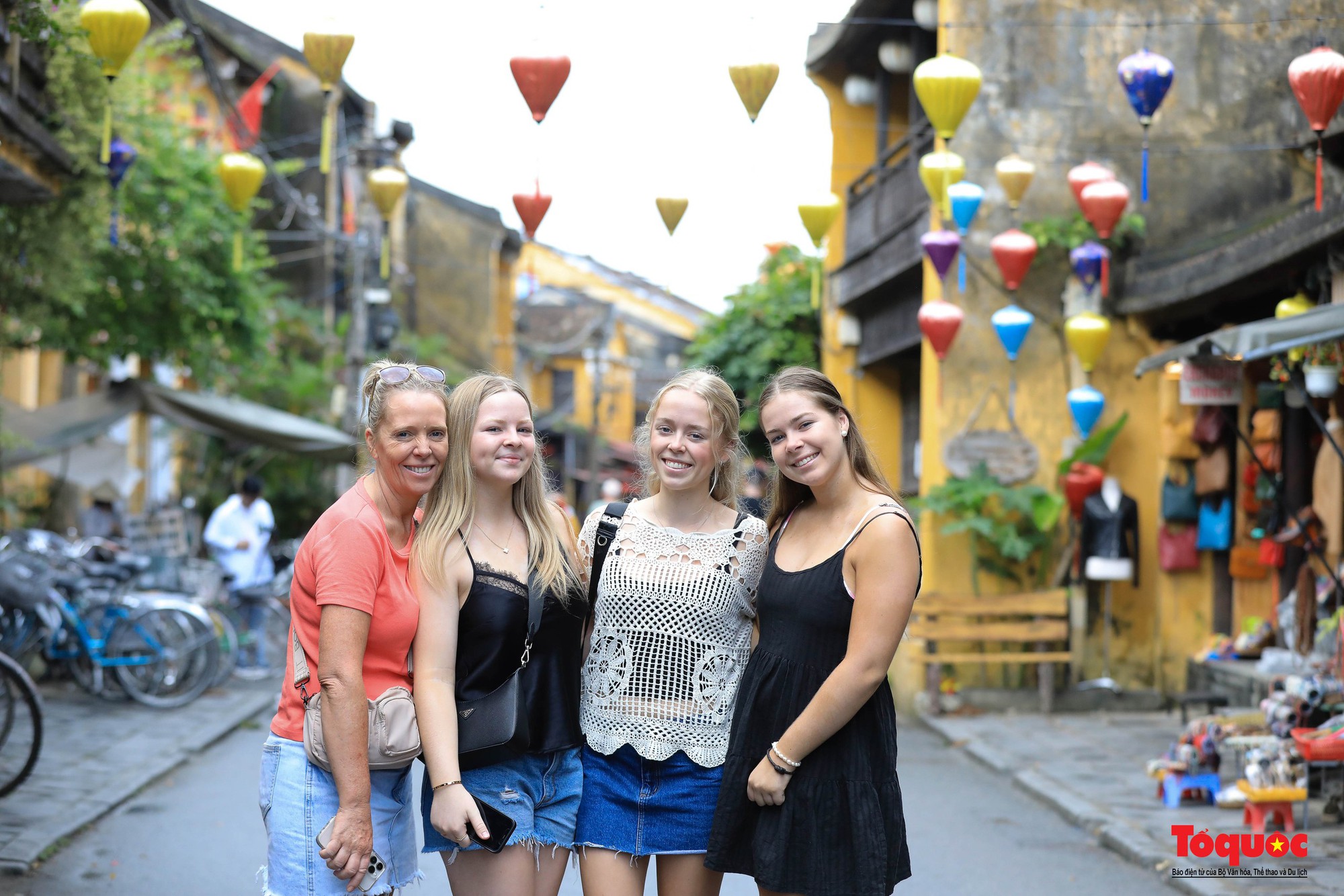
Hoi An Shines Globally: Named Among the Top 5 Best Cities in the World for 2026
Hoi An continues to solidify its reputation as a premier global destination, proudly standing as the only representative from Vietnam in the Top 5 "Best Cities in the World" for 2026, according to the prestigious American travel magazine, Travel + Leisure.
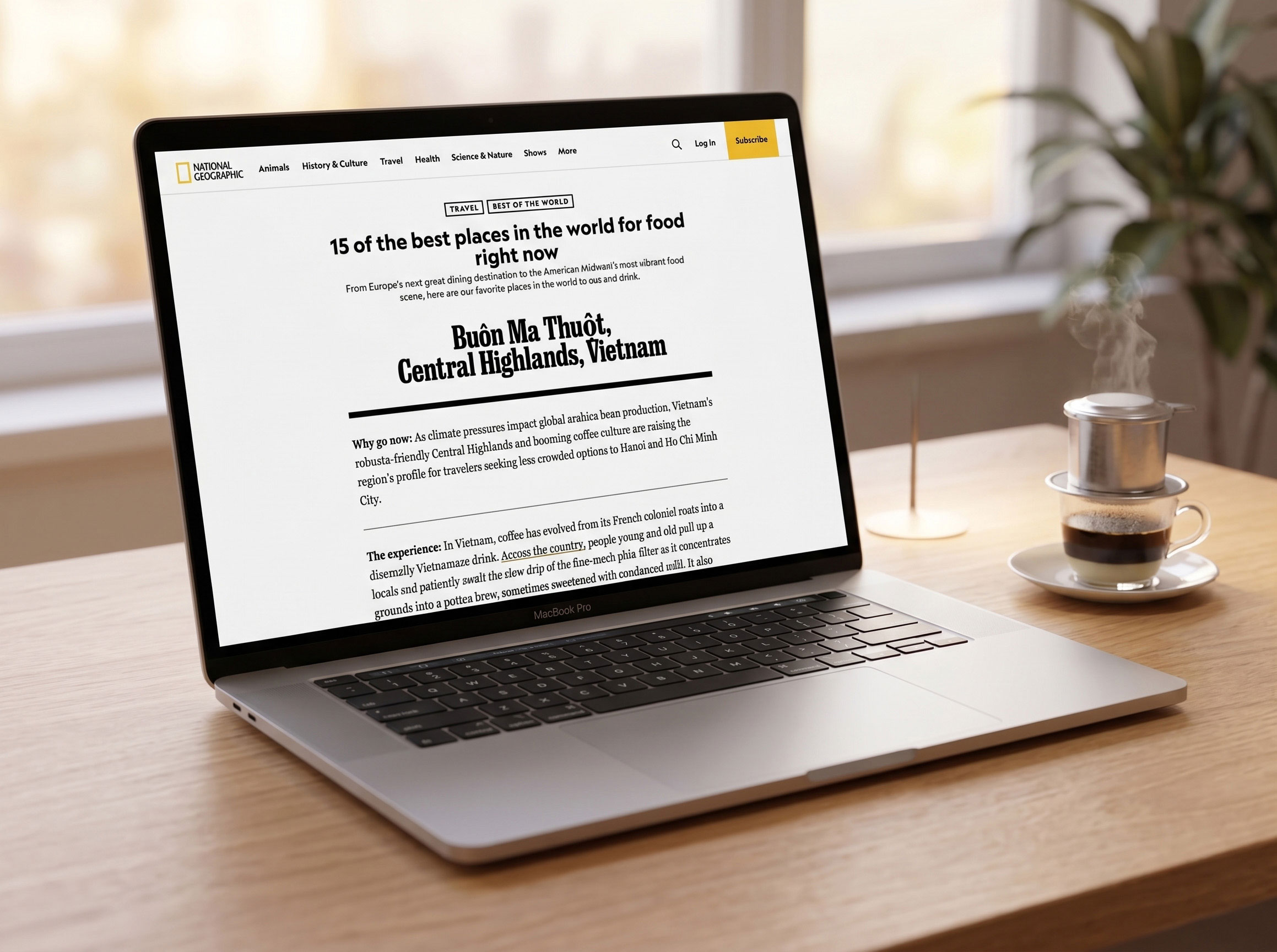
Buôn Ma Thuột Named Among National Geographic's 15 Best Food Destinations in the World 2026
In an exciting announcement by the prestigious National Geographic, Buon Ma Thuot—the heartbeat of Vietnam’s Central Highlands—has officially been named one of the 15 Best Food Destinations in the World for 2026.
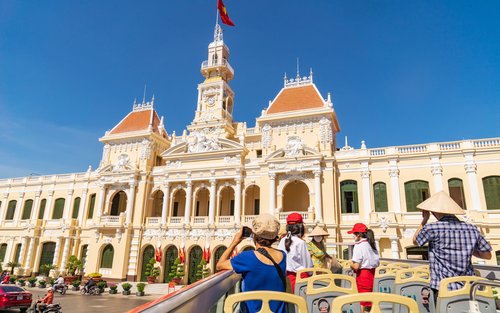
The Ultimate Guide to Daily Tours in Ho Chi Minh City & Phu Quoc: Must-Visit Experiences
Traveling to Vietnam in 2026 offers a unique blend of high-energy urban life and serene tropical escapes. If you find yourself in the vibrant southern hub of Ho Chi Minh City (Saigon) or the "Pearl Island" of Phu Quoc, time is often your most precious commodity.
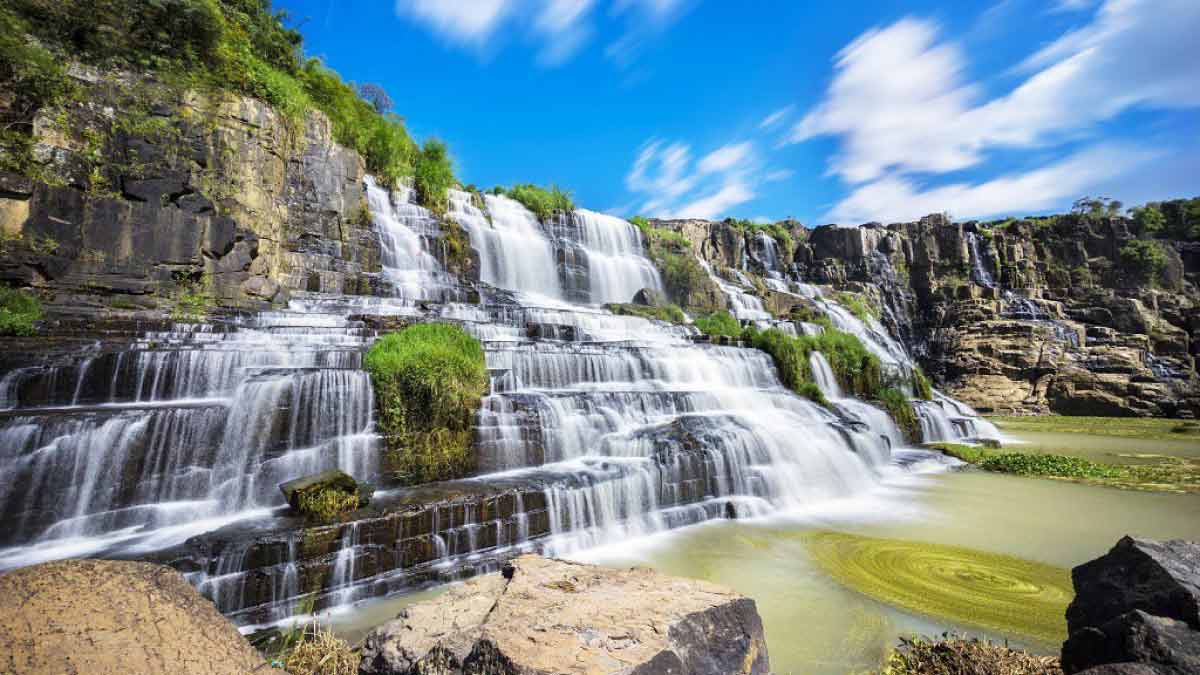
Vietnam breaks into the world's top five emerging tourism destinations for 2026
ravel and Tour World has ranked Vietnam among the world's top 5 emerging tourism destinations for 2026 — citing 21 million international arrivals in 2025, an open visa policy, and landscapes that span coast, mountain, and heritage.
.jpg)
Vietnam's desert by the sea: Mui Ne sand dunes earn a place among the country's top 9 natural wonders
Mui Ne's sand dunes have been named among Vietnam's top 9 natural wonders by a US travel publication — a recognition that, combined with Booking.com's #1 global trending destination ranking, confirms Mui Ne's rising status on the world tourism map.
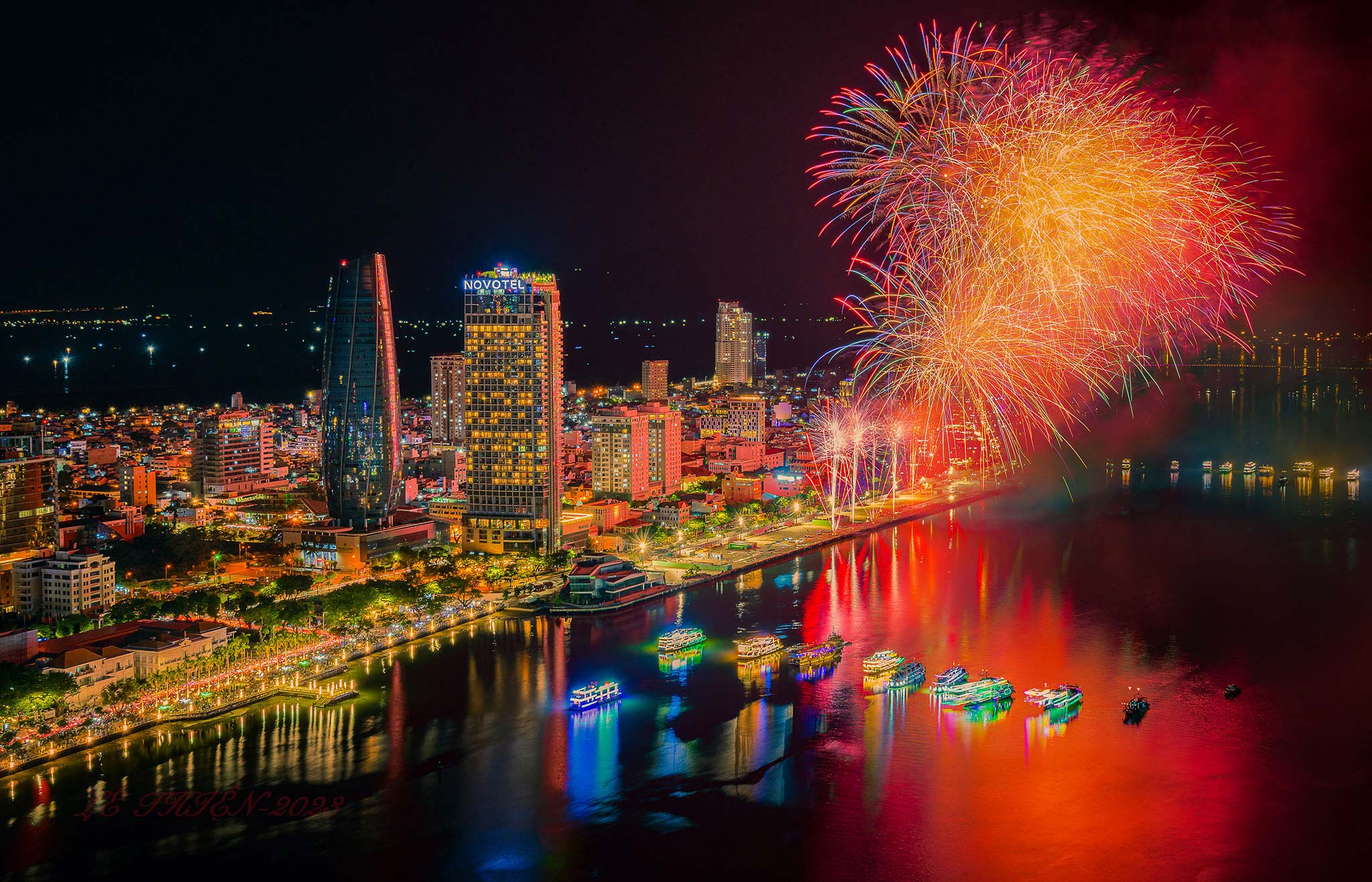
Lonely planet ranks Da Nang second among asia's best summer destinations for 2026
Lonely Planet has ranked Da Nang #2 among the nine best places in Asia to visit this summer (June–August 2026), describing it as "an outdoor lo
Lonely planet names Quy Nhon among the world's 25 best destinations for 2026
Lonely Planet has named Quy Nhon, Vietnam the only Vietnamese destination on its coveted 'Best in Travel 2026' list of 25 global destinations — spotlighting Ky Co beach, ancient Cham heritage, and a culinary scene that rivals any city on the coast.
Central Vietnam joins the world's most coveted travel destinations for 2026
UK travel magazine Time Out has ranked Central Vietnam 8th among the world's 19 best places to travel in 2026 — spotlighting Da Nang, Hoi An, and Hue as a region that delivers adventure, heritage, and luxury in equal measure
.jpg)
CNBC reports Phu Quoc among the world's top trending destinations for 2026
CNBC has featured Phu Quoc as one of the world's top trending travel destinations for 2026, citing a 53% surge in searches — the only Southeast Asian representative in the global Top 4
.jpg)
Booking.com names Mui Ne the #1 trending destination in the world for 2026
Booking.com has ranked Mui Ne, Vietnam as the #1 trending destination in the world for 2026 — ahead of Bilbao, Philadelphia, and destinations across five continents. Discover what makes this coastal town a global standout.
.jpg)
Vogue France names Vietnam the most desirable travel destination in asia for 2026
Vogue France has named Vietnam the most desirable travel destination in Asia for 2026 — a milestone recognition celebrating the country's rare blend of natural grandeur, living culture, and modern vitality.
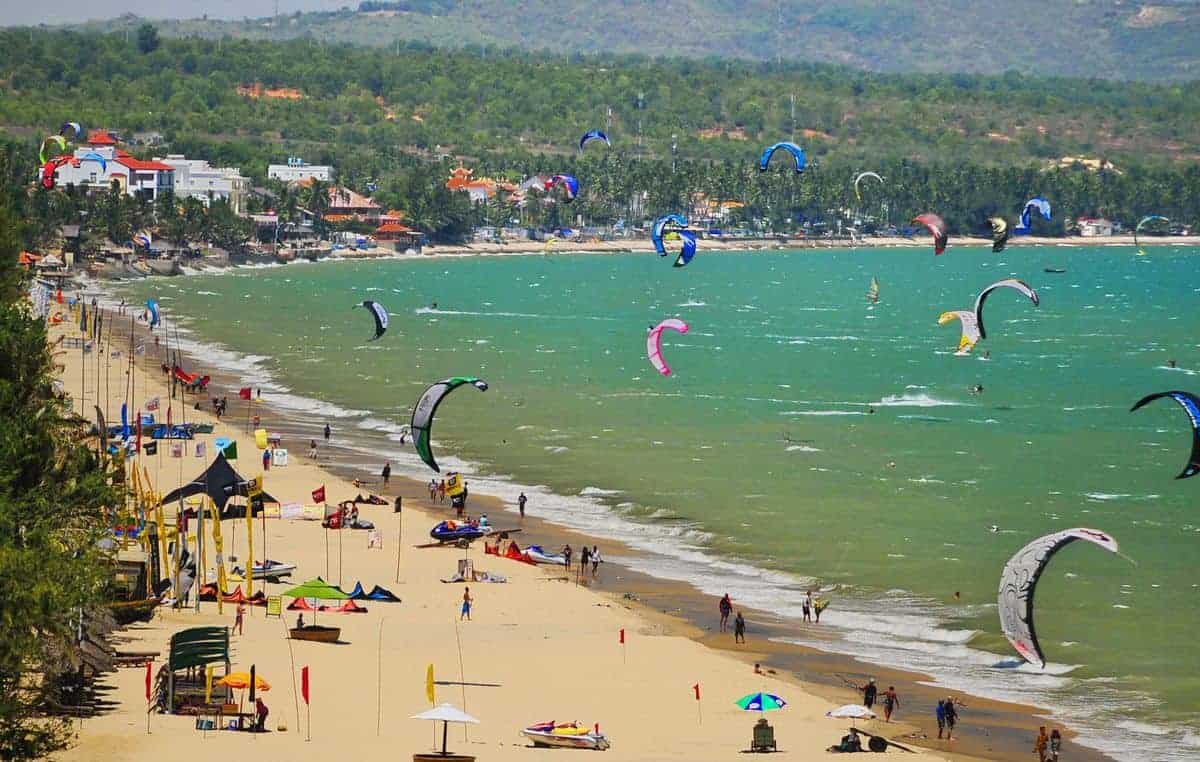
Mui Ne Sand Dunes & Kitesurfing: A Coastal Vietnam Adventure
Discover Mui Ne, Vietnam's kitesurfing capital. Explore the White Sand Dunes by Jeep, visit local fishing villages, and book the best 2026 coastal tours today!
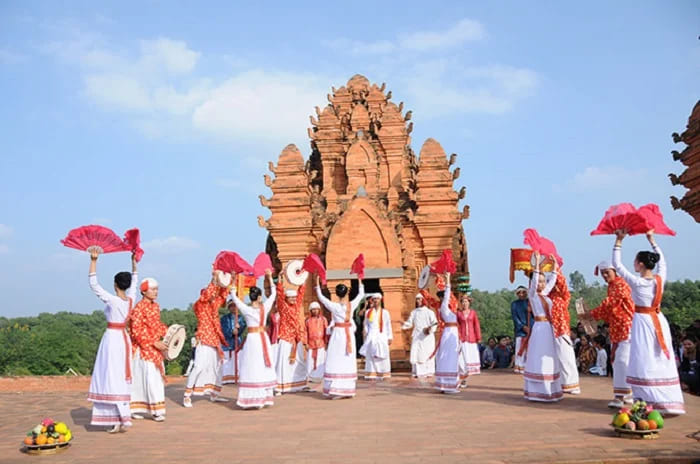
Cultural Immersion in Nha Trang: History & Cooking Classes
Discover Nha Trang's rich history at Ponagar Towers and Long Son Pagoda. Join an authentic seafood cooking class and experience the soul of Vietnam's coast.
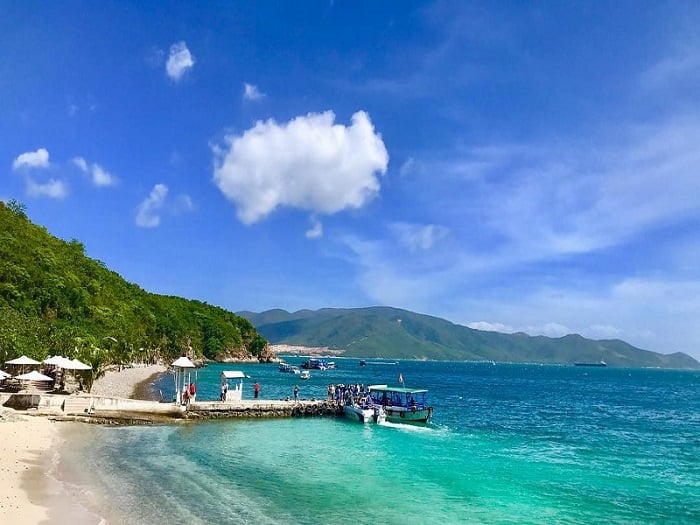
Nha Trang Diving Guide: Best Hidden Gems for Snorkeling
Explore Hon Mun & Coral Bay with Inbound Vietnam. Expert tips on PADI diving, marine life, and the best 2026 coastal tours. Book your Nha Trang adventure today!
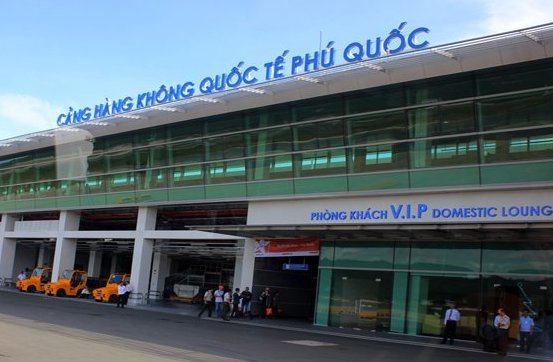
Phu Quoc Visa Exemption 2026: Your 30-Day Guide to Vietnam Paradise Without a Visa
The Phu Quoc Visa Exemption. As of 2026, the Vietnamese government continues to offer a generous 30-day visa-free stay specifically for the "Pearl Island" of Phu Quoc Island .
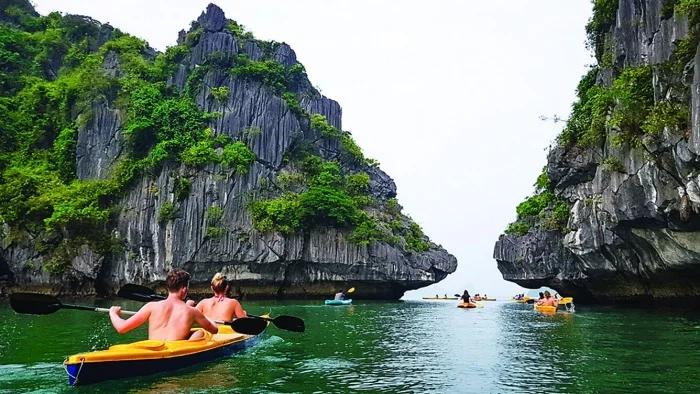
Top Things to Do in Lan Ha Bay: From Kayaking to Hidden Caves
While its famous neighbor, Halong Bay, has long held the spotlight, Lan Ha Bay has emerged as the true sanctuary for those seeking raw, untouched beauty. Located south of Halong and east of Cat Ba Island, Lan Ha Bay boasts over 400 limestone islets and hundreds of tiny, secluded white-sand beaches.
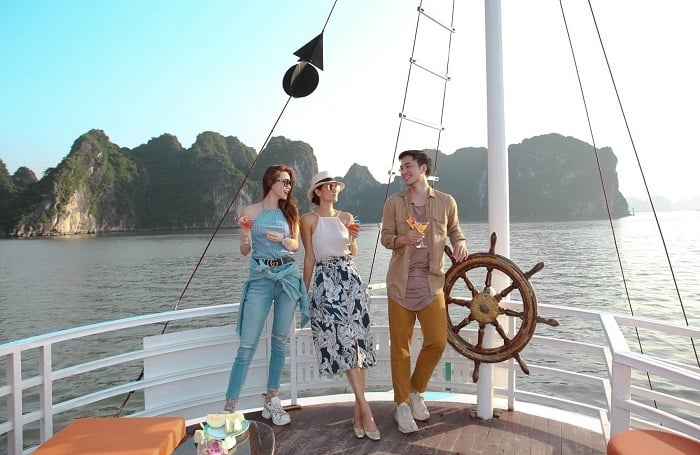
Halong Bay or Lan Ha Bay? Choosing the Perfect Route for Your 2026 Trip
However, a common dilemma arises for every traveler planning their maritime escape: Should you follow the legendary path of Halong Bay, or seek the secluded charm of Lan Ha Bay?

Why Spring is the "Golden Season" for a Halong Bay Cruise
While Vietnam is a year-round destination, travel experts and seasoned photographers agree: Spring (specifically March to May) is the undisputed "Golden Season" for cruising the Gulf of Tonkin. As we move into 2026, here is why this period creates a magical atmosphere that other seasons simply cannot match.
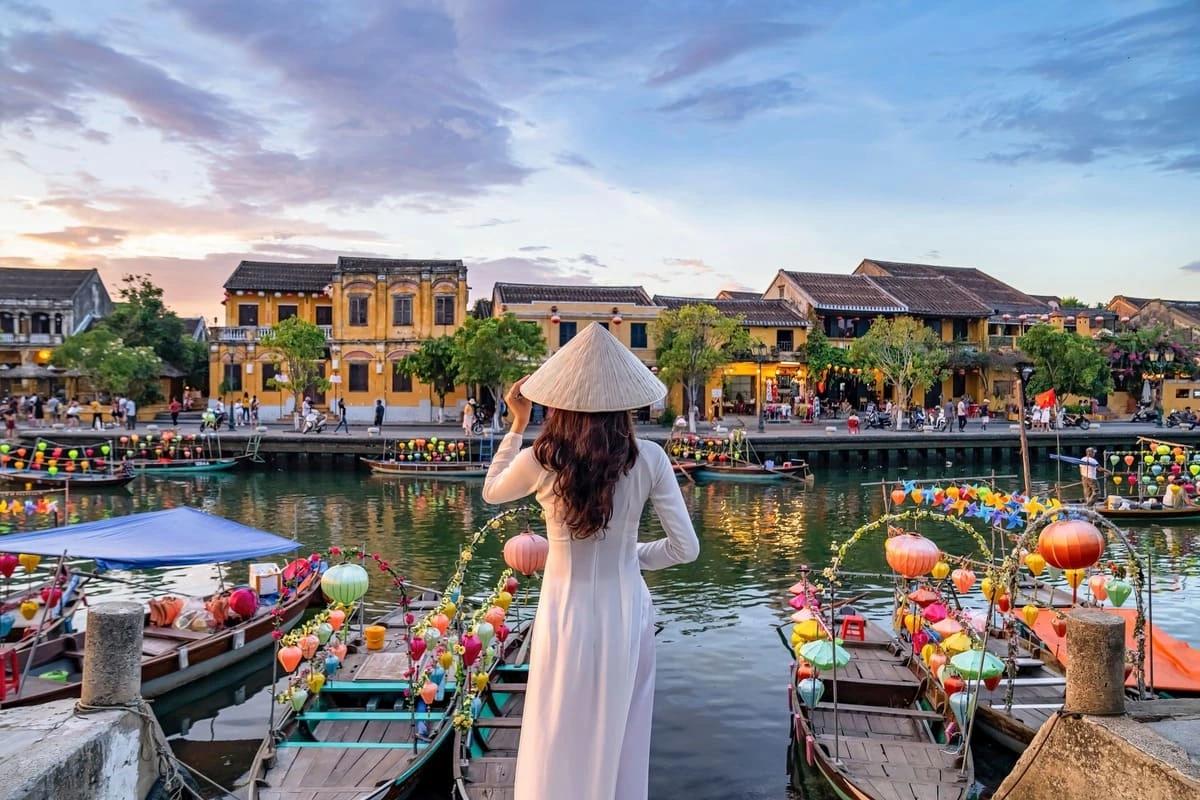
Beyond the Golden Bridge: A Central Vietnam Tour Itinerary of Top Things to Do
To truly experience the soul of the country, your Central Vietnam Tour Itinerary must venture further. From the imperial grandeur of Hue to the lantern-lit magic of Hoi An, this region offers a perfect blend of old-world charm and modern wonder.
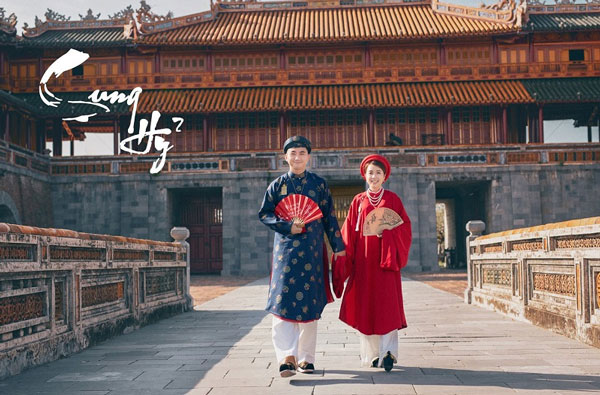
Hue: Named a Top Global Romantic Honeymoon Destination for 2026
In 2026, Hue has officially been recognized as one of the world’s premier romantic honeymoon destinations, capturing the hearts of global travelers with its poetic charm.

The Soul of Vietnam: Discover the Timeless Beauty of Lunar New Year (Tet)
Vietnam is a land of stories, but no chapter is more vibrant, emotional, or visually stunning than Tet Nguyen Dan—the Lunar New Year. For travelers seeking more than just sightseeing, Tet offers a deep dive into the cultural heartbeat of the nation.
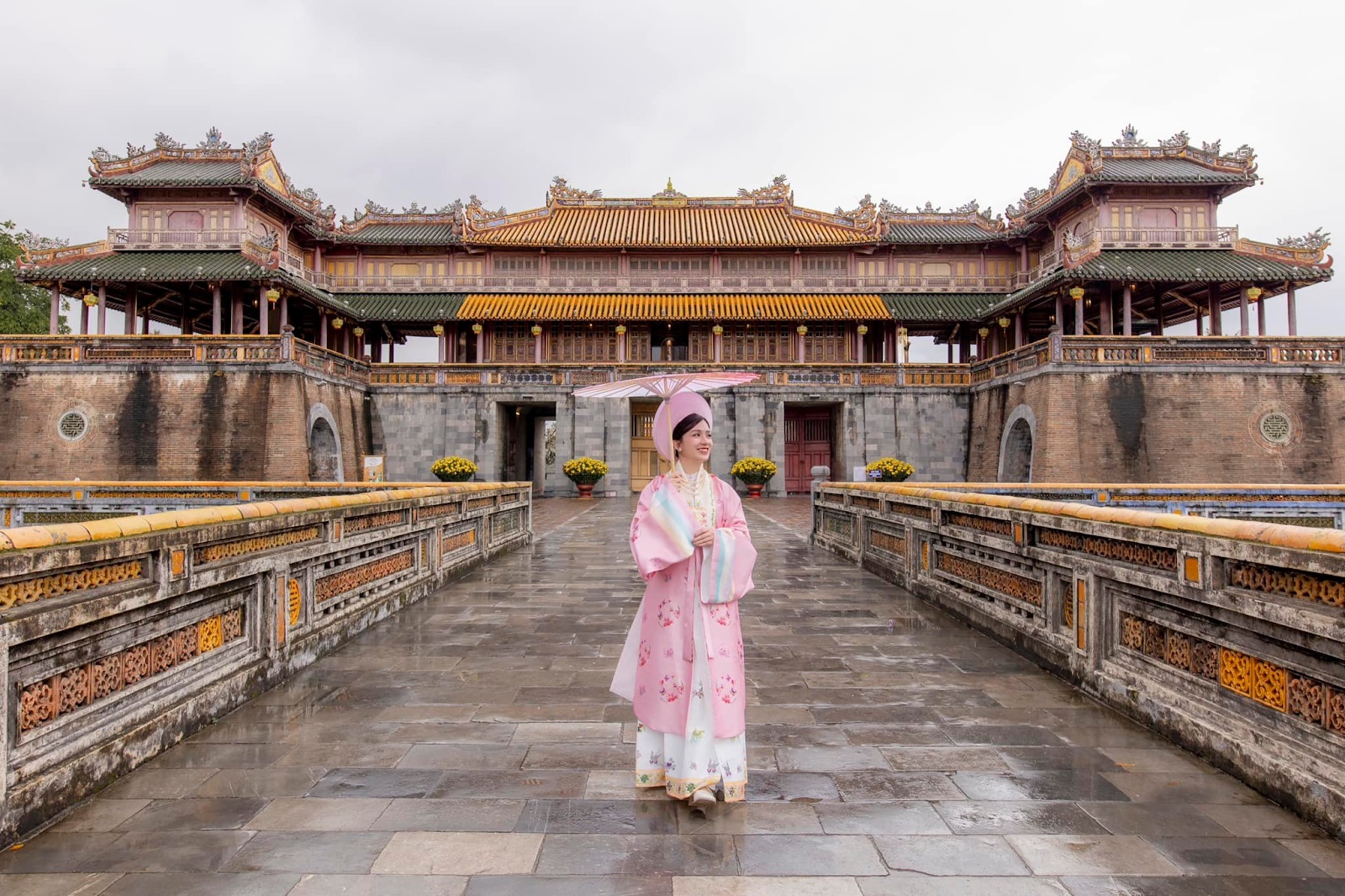
The Best Time to Visit Central Vietnam: A Spring Guide to Hue, Da Nang, and Hoi An
When planning a journey to the heart of S-shaped Vietnam, timing is everything. While the north has its chilly winters and the south stays tropical year-round, Central Vietnam follows its own rhythm. For seasoned travelers and sun-seekers alike, February to April is the "Goldilocks" window—the absolute best time to visit Hue, Da Nang, and Hoi An.
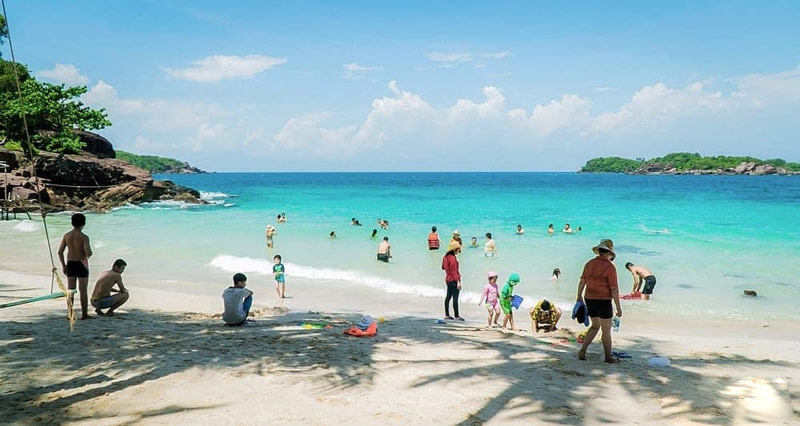
A Guide to Southern Vietnam: Sunny Beaches and Floating Markets
a Guide to Southern Vietnam is incomplete without exploring the vibrant floating markets of the Mekong Delta and the pristine shores of Phu Quoc—the Emerald Pearl of Vietnam’s waters.

Southern Vietnam in Dry Season: Best Time for Phu Quoc & Mekong
If you are looking for the best time for Phu Quoc & Mekong, the window from November to April offers a golden opportunity to experience Vietnam’s most iconic landscapes in peak condition.
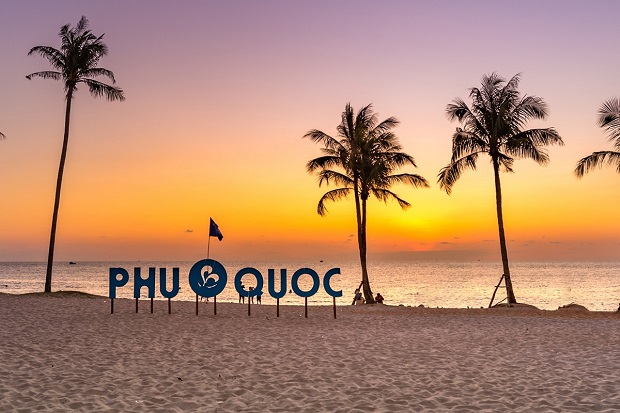
Tour Phu Quoc & Mekong Delta: The Perfect Beach and River Combo
The Tour Phu Quoc & Mekong Delta is currently the most sought-after travel combination in Vietnam, offering an unparalleled blend of authentic cultural immersion, world-class gastronomy, and ultimate island relaxation.
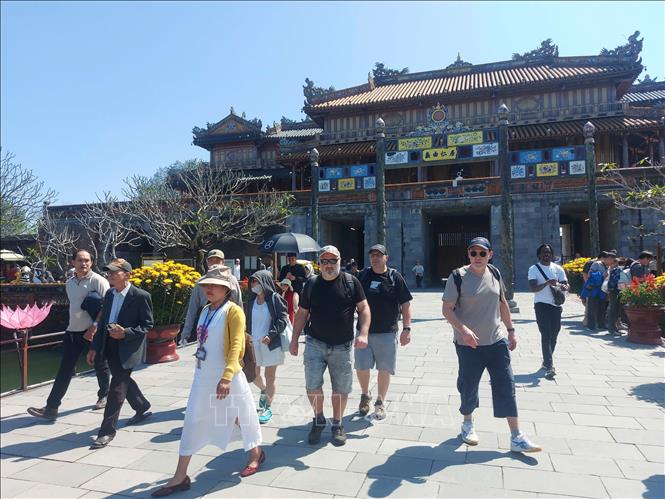
Market Insight: Analyzing Vietnam’s 2026 Travel Trends and Top-Tier Products
As Vietnam welcomes a record-breaking influx of international arrivals in 2026, the tourism landscape has undergone a sophisticated transformation. Based on the latest data from Google Destination Insights and 2026 travel reports, the modern traveler is moving away from generic sightseeing toward intentional, high-value experiences.
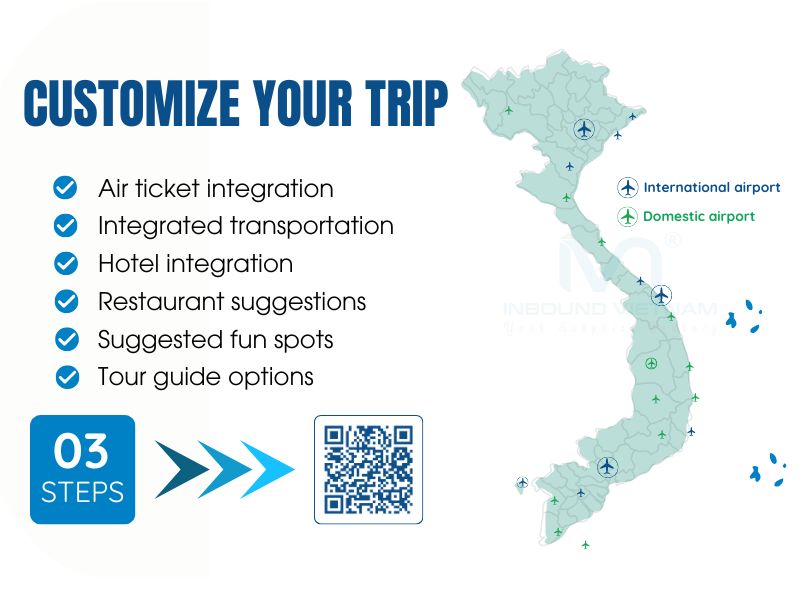
Customize Vietnam Trip: Design Your Perfect Journey with Inbound Vietnam Planner
Are you dreaming of an unforgettable journey through the vibrant landscapes and rich culture of Vietnam? Stop sifting through countless travel websites! Inbound Vietnam International Travel Company Limited has developed the ultimate solution: a powerful, all-in-one trip customization tool designed to craft your perfect itinerary with unparalleled ease.
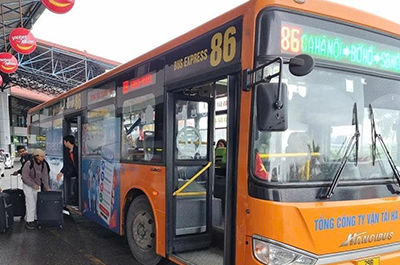
Traveling by Bus between Noi Bai Airport (HAN) and Hanoi
Comprehensive guide to Noi Bai - Hanoi bus travel for tourists. Find routes, fares, and tips for convenient, affordable airport transfers in Hanoi.
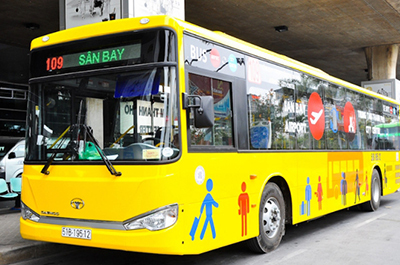
How to get to and from Tan Son Nhat Airport (SGN) by bus?
Traveling from Tan Son Nhat Airport (SGN) to Ho Chi Minh City? Discover the best bus routes for a cheap and easy transfer to District 1, hotels, and tourist spots.
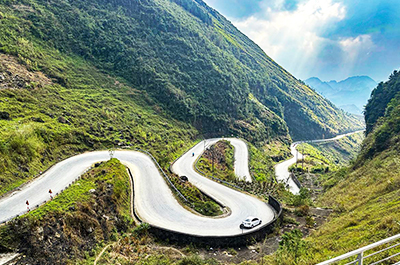
Adventure Travel in Vietnam: Unique Adventures and Tours
Discover thrilling adventure travel in Vietnam! Explore top destinations like Sapa, Ha Giang, Phong Nha, and Da Lat. Find exciting activities: trekking, caving, diving, and more. Plan your trip with Inbound Vietnam.
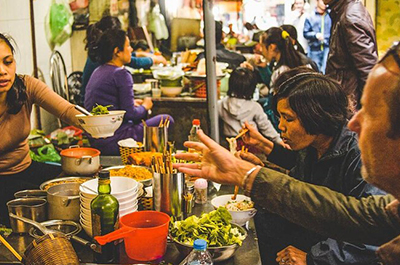
Food Tour in Vietnam: Your Culinary Adventure
Experience an authentic food tour in Vietnam. Taste diverse regional cuisines, from Hanoi to the Mekong Delta. Get expert advice for your culinary journey.
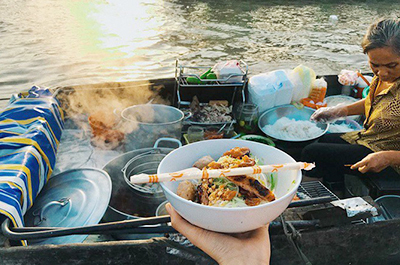
Mekong Delta Food Tour: Authentic Flavors and Culture
Explore the authentic tastes of Southern Vietnam! A Mekong Delta food tour offers unique dishes, vibrant floating markets, and warm riverine culture.
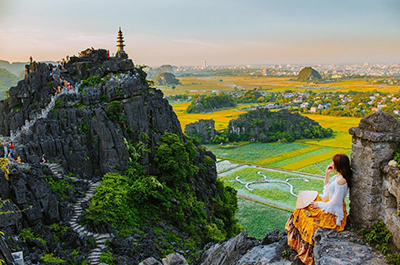
Vietnam Travel Guide: Everything You Need to Plan Your Trip
Welcome to the ultimate Vietnam Travel Guide from Inbound Vietnam! Whether you're a first-time visitor or have already fallen in love with this beautiful S-shaped country.

Hoi An Food Tour Guide for Visitors
Embark on an unforgettable Hoi An food tour with Inbound Vietnam. Explore local delicacies, hidden eateries, and the ancient town's food scene.
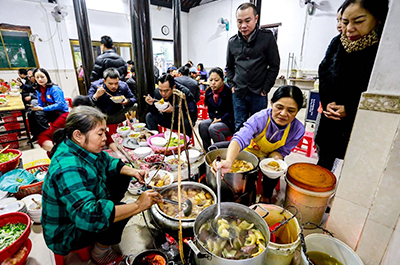
Hue Food Tour Eat Like A Local
Hue food tour - Taste real Hue! Find local dishes, street food, and culture. Plan your eating trip to Vietnam's ancient capital.

The Best Time to Visit Vietnam: A Detailed Guide for International Travelers
Plan your Vietnam adventure! Discover The Best Time to Visit Vietnam with our detailed guide for every region. Perfect for international travelers.
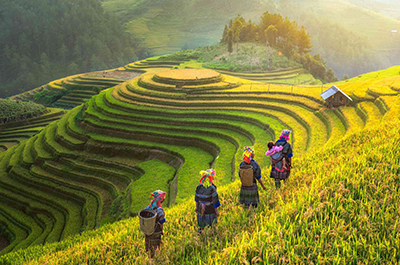
When is the Absolute Best Time to Visit Sapa in Vietnam?
Planning your Sapa trip? Discover the best time to visit Sapa in Vietnam for golden rice fields, vibrant blooms, or misty winter wonderlands with Inbound Vietnam's guide.
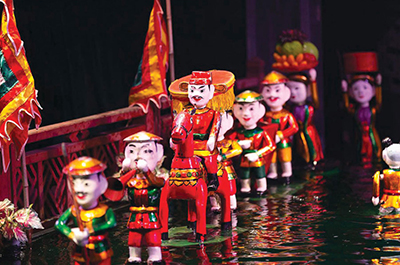
Cultural Tours in Vietnam for Foreign Tourists
For international visitors, Cultural tours in Vietnam offer a profound journey of discovery, connecting them with the core values of a resilient and hospitable nation.
What are some unique characteristics of winter in Hanoi?
Discover what are some unique characteristics of winter in Hanoi! Explore its distinct landscapes, cozy traditions, and must-try hot dishes for an unforgettable experience.

What makes spring in Hanoi a popular time to visit?
Experience Hanoi in spring! Mild weather, beautiful blooms, and vibrant festivals. So, what makes spring in Hanoi a popular time to visit? Find out more!
Top activities in Bay Mau coconut forest
Discover the Top Activities in Bay Mau Coconut Forest near Hoi An! From thrilling basket boat rides to unique cultural experiences and delicious local food.

Tips for Conquering Fansipan Peak in Vietnam
Plan your Fansipan climb! Get essential Tips for Conquering Fansipan Peak, including preparation, best times. Reach Roof of Indochina with Inbound Vietnam.
List of 12 Countries Granted Visa Exemption by Vietnam Until 2028
Travel to Vietnam made easier! Visa waivers for 12 countries until 2028, plus expanded e-visa options. Find out if you're eligible.
What makes Vietnam a safe and appealing destination?
Vietnam: Safe, beautiful, and affordable! Explore stunning landscapes, vibrant culture, and delicious cuisine. Experience warm hospitality and easy travel. Discover Vietnam today!
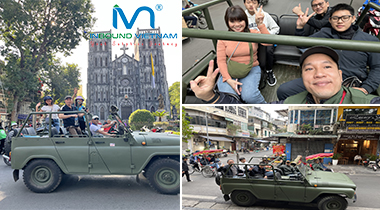
Why You Need to Experience Hanoi Jeep Tours?
Your ultimate guide to Hanoi Jeep Tours. Discover the best routes, must-see attractions, and tips for an amazing off-road adventure.
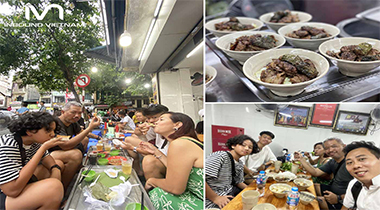
Food Tour Ha Noi - A Culinary Journey Through the Capital
Looking for a unique way to explore Hanoi? Join the food tour Ha Noi and savor the city's diverse cuisine.
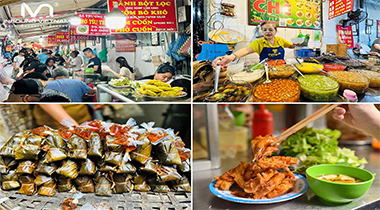
Top 10 Most Attractive Food Tour Destinations in Ha Noi
Embark on a food adventure in Hanoi! Explore the Top 10 most attractive food tour destinations in Ha Noi and discover the city's rich culinary heritage. Taste local specialties and hidden gems.
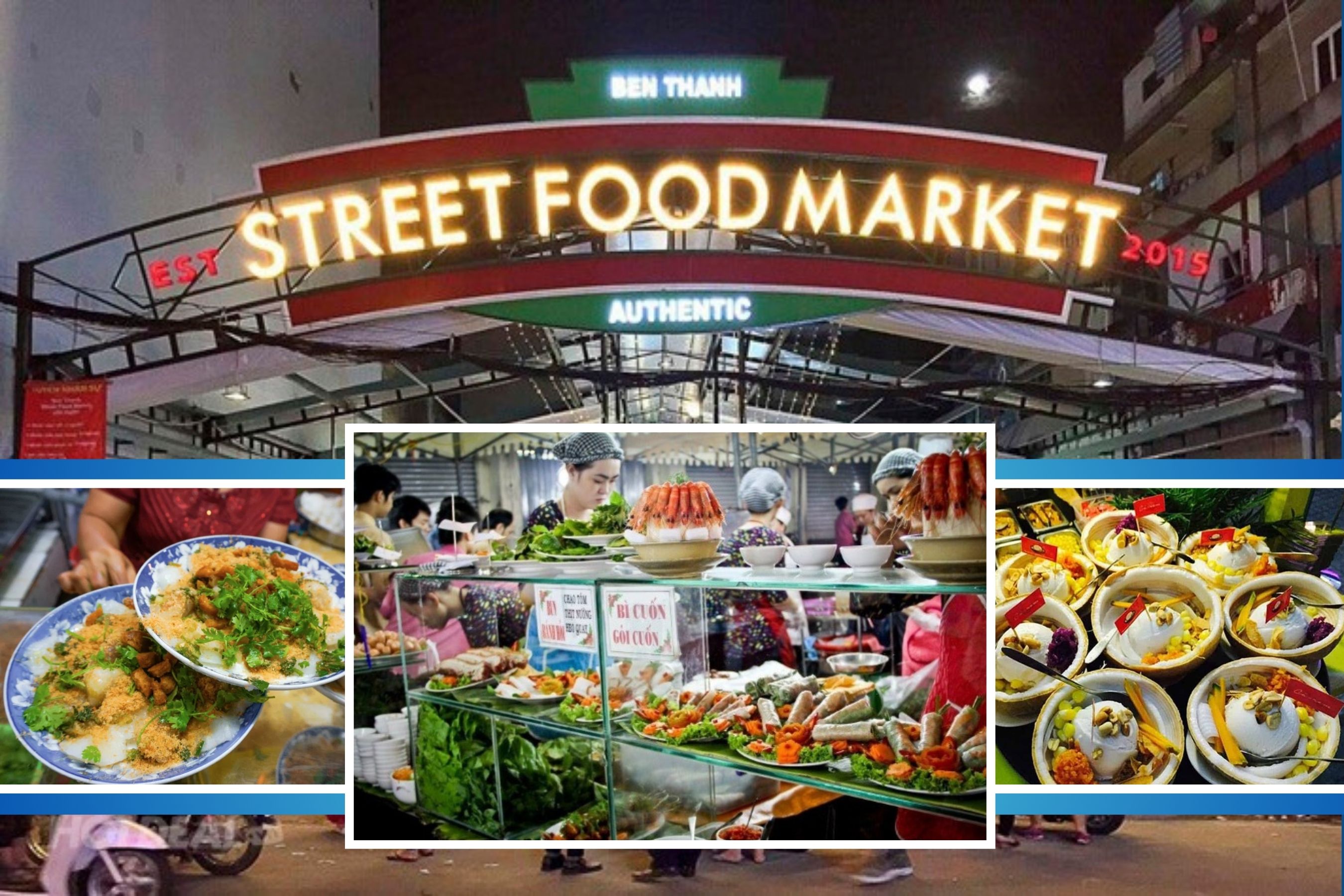
Top 10 most attractive food tour destinations in Ho Chi Minh
Are you looking for food tour destinations in Ho Chi Minh City? If so, this article will be the perfect guide satisfy your culinary curiosity.
Food tour in Ho Chi Minh City, quintessence of Vietnamese cuisine
Discover the true flavors of Vietnam on a food tour in Ho Chi Minh City. Savor authentic street food and hidden gems with a local guide.
Top 10 Halal Restaurants in Da Nang
Looking for Halal food in Da Nang? Our guide highlights top 10 Halal restaurants in Da Nang, offering a diverse range of flavors and cuisines.
Halal Tour in Vietnam - Your Essential Travel Guide
Embark on an unforgettable Halal tour in Vietnam! Explore breathtaking landscapes, savor delicious Halal cuisine, and discover rich cultural heritage.
Top 10 Halal Restaurants in Hanoi
Discover the top 10 Halal restaurants in Hanoi! Whether you're a Muslim traveler or a local seeking delicious Halal food, this guide has you covered.
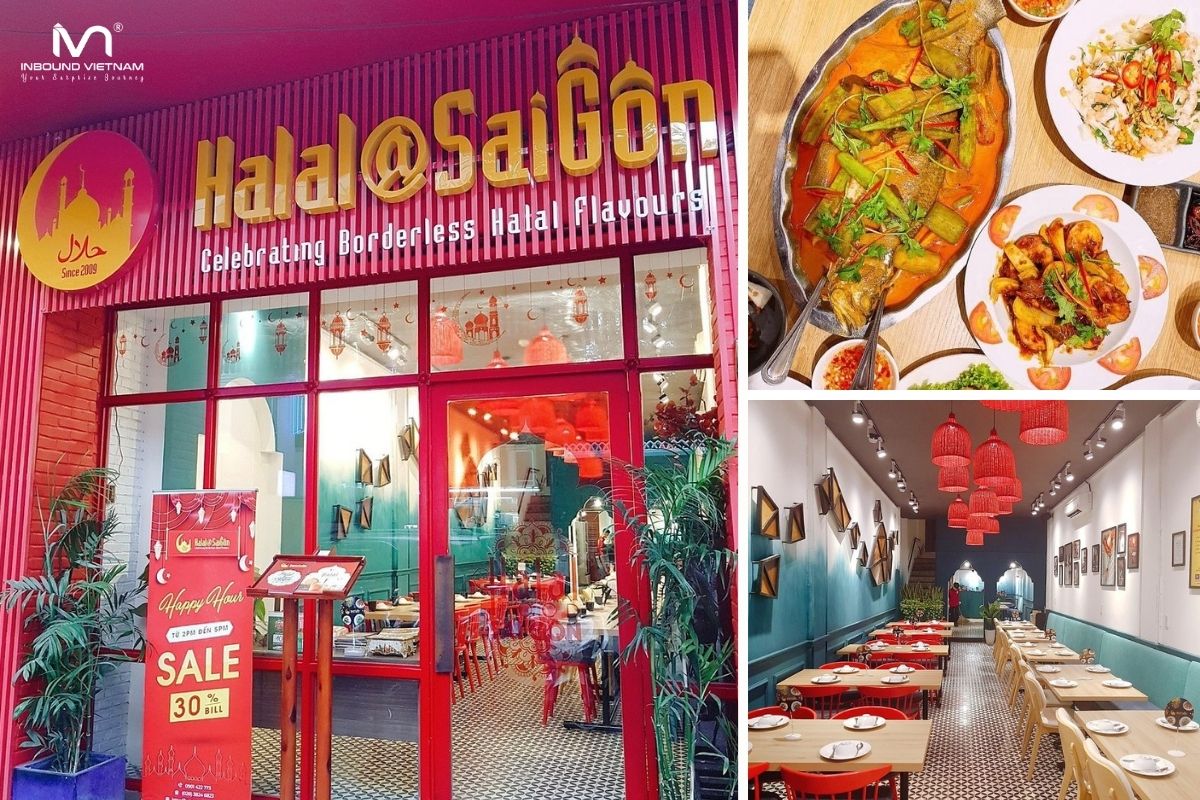
Top 10 Halal Restaurants in Ho Chi Minh
If you're on the hunt for Halal restaurants in Ho Chi Minh City that have earned rave reviews from food experts, this article is your go-to guide.
.jpg)
Vietnam Travel Tips For First timers
Let's explore some Vietnam travel tips for first timers to ensure your trip is unforgettable.
Everything You Need to Know About Land Tour Vietnam
Embark on a unique journey with our land tour Vietnam. Immerse yourself in local culture, savor authentic cuisine, and create lasting memories.
.jpg)
What Is Ho Chi Minh City Famous For?
If you're a first-time visitor to Ho Chi Minh City and are wondering what is Ho Chi Minh city famous for, then this article is for you.
Vietnam travel agency specializing in cultural tours
Inbound Vietnam is one of the leading Vietnam travel agency specializing in cultural tours, where you can completely trust in the quality, price, and service of your experiences.
Who is the best inbound tour operator in Vietnam?
You have a need to travel, want to explore tourist destinations in Vietnam? Below, we will introduce one of the best inbound tour operator in Vietnam for your reference.
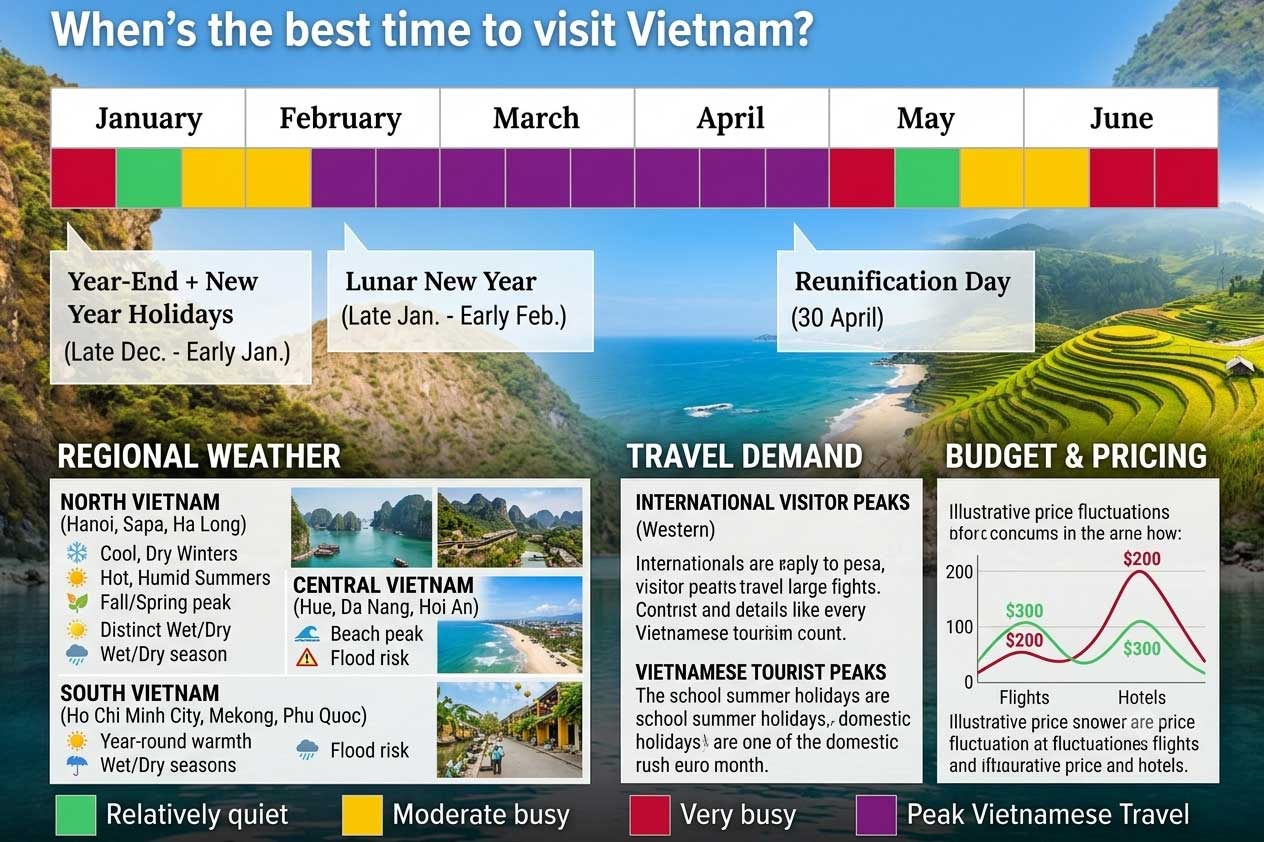
When is the best month to visit Vietnam?
Wondering when is the best month to visit Vietnam? Our comprehensive guide covers all regions and seasons to help you plan your trip.
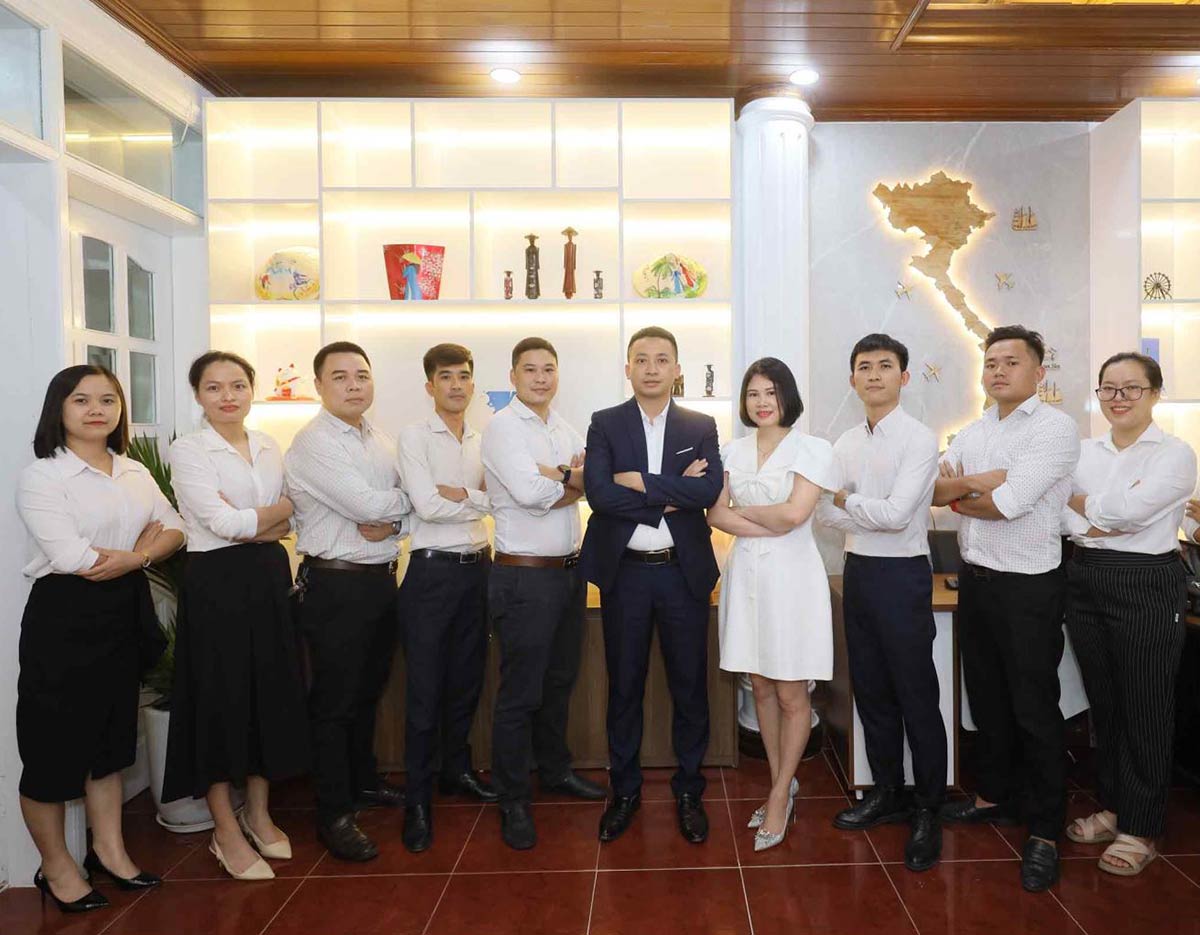
Top 10 list of reputable travel brands in Vietnam
Discover the Top 10 List of Reputable Travel Brands in Vietnam that offer exceptional services, including domestic and international tours, visa assistance, and MICE event planning. These trusted agencies will ensure an unforgettable journey through Vietnam.
.jpg)
High And Low Season For Tourism In Vietnam
Let Inbound Vietnam help you discover the high and low season for tourism in Vietnam, so you can tailor your trip to your preferences.
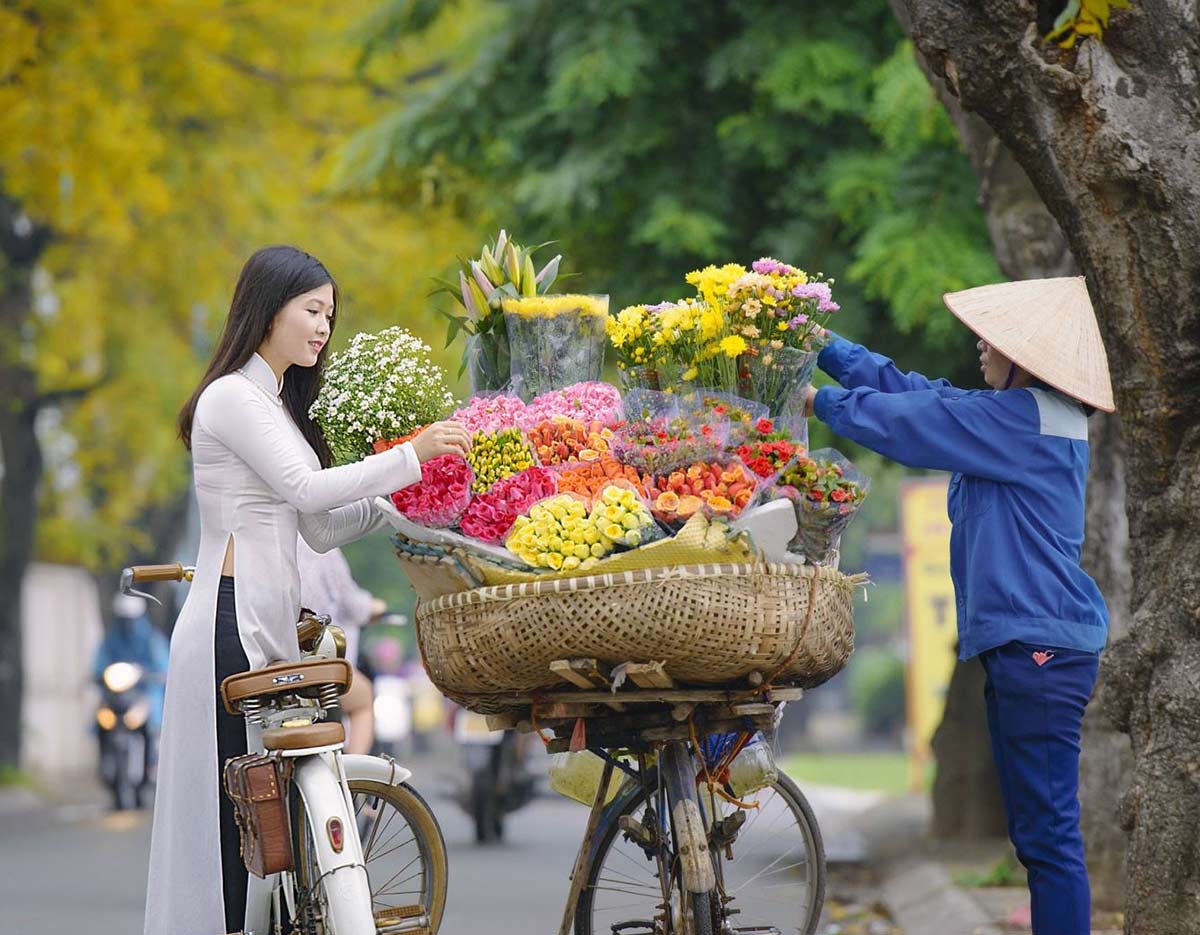
Why is autumn in Hanoi so special?
Autumn in Hanoi is a truly magical time. From September to November, the city transforms into a romantic and poetic landscape. The cool, crisp air, gentle breezes, and golden leaves falling on the streets create a breathtaking scene.
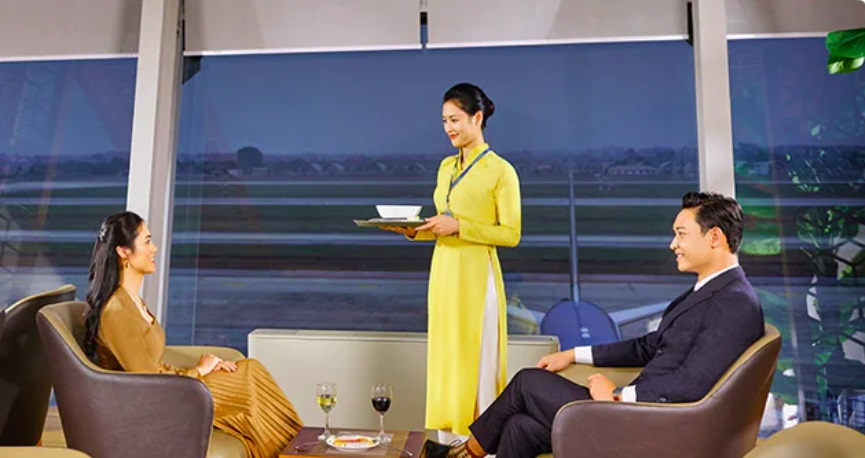
Membership Benefits on Vietnam Airlines
Flying with Vietnam Airlines, you will be supported by Inbound Vietnam to make a membership card and receive many incentives. Please refer to this article for details
.jpg)
Vietnam's best outdoor activities
The best outdoor activities when you travel to Vietnam. Experience now with InboundVietnam!




.png)
