

 Package tour
Vietnam's desert by the sea: Mui Ne sand dunes earn a place among the country's top 9 natural wonders
.jpg)
A landscape born from wind and time
What sets Mui Ne's sand dunes apart from any other landscape in Vietnam — and from most coastal environments in Southeast Asia — is their origin and their behaviour. The dunes were formed over thousands of years through the continuous action of the northeast and southwest monsoon winds, which have sculpted the coastal sands into formations that rise, shift, and reshape with each passing season. The white dunes, known locally as Bau Trang and located approximately 65 kilometres northeast of Phan Thiet City, are the more expansive of the two main dune systems — pale yellow formations of wind-sculpted sand surrounding three freshwater lakes, creating an environment that manages to feel both arid and verdant at the same time. The red dunes, closer to the village of Mui Ne and approximately 25 kilometres from Phan Thiet City, are more accessible and more visually dramatic in a different way: the sands shift from gold to amber to a deep, burnished red across the day, and at sunrise and sunset the colour transformations are among the most photographed natural phenomena in southern Vietnam. Both systems change shape regularly under the influence of the monsoon winds, ensuring that no two visits to Mui Ne produce exactly the same landscape — a quality that has made the dunes a repeat destination for photographers, nature enthusiasts, and travellers seeking genuinely unpredictable natural experiences..jpg)
Double recognition in 2026 — and what it means for visitors
The US magazine's recognition of Mui Ne's sand dunes as one of Vietnam's top natural wonders arrives in the same period as the destination's other major international endorsement of 2026: Booking.com's designation of Mui Ne as the number one trending destination in the world, based on a survey of 30,000 travellers across 33 countries. Together, these two recognitions — one focused on the intrinsic natural quality of the landscape, the other on the momentum of global travel interest — frame Mui Ne at a precise moment in its development. The town is no longer a niche destination known only to kitesurfers, backpackers, and travellers who had heard of it by word of mouth. It is now a destination that the world's major travel platforms and publications are actively directing international visitors toward, and with a Vietnamese government master plan designating the Mui Ne National Tourism Zone across 14,760 hectares, the infrastructure to support that growth is being built around it. For travellers who want to experience Mui Ne before that transformation is complete — while the fishing village culture remains intact, the dunes remain open and accessible, and the pace of life remains genuinely unhurried — 2026 represents an optimal window.For personalised travel advice or itinerary enquiries, our team is always happy to help — reach us at tours@inboundvietnam.com
Related tour
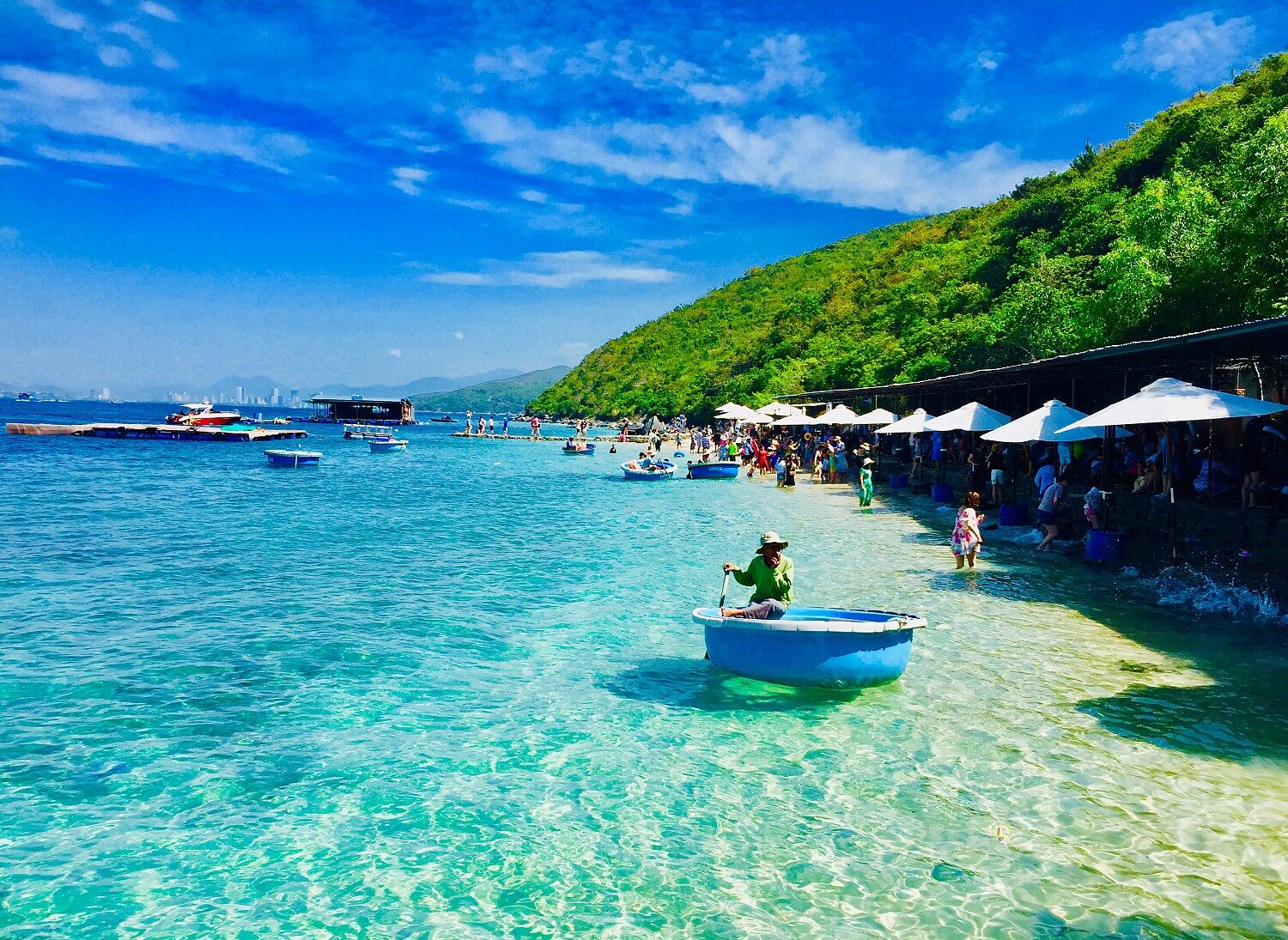
Embark on an unforgettable journey to Discover the Gems of Vietnam, highlighting the coastal paradises of Nha Trang and Mui Ne. This tour offers pristine beaches, vibrant underwater worlds, and thrilling watersports. Explore Nha Trang's city charm and island adventures, then discover Mui Ne's unique sand dunes and tranquil fishing villages.
Departure day: 23/10 24/10 ...
Departure: Cam Ranh Bay
Arrival: Phan Thiet city
Regions: Central Vietnam
Type: Classic Tours

Escape to paradise with our 5-day adventure in Nha Trang and Mui Ne! Discover stunning beaches, vibrant cities, and indulge in delicious seafood. Experience the best of Vietnam's coastline
Departure day: 23/10 24/10 ...
Departure: Cam Ranh Bay
Arrival: Phan Thiet city
Regions: Central Vietnam
Type: Classic Tours
Related posts
.jpg)
10 Most Amazing Landscapes in Vietnam
We’ve compiled a list of the 10 most amazing landscapes in Vietnam, each of which offer truly unique photo opportunities and experiences
.jpg)
10 Best Beaches in Vietnam
.jpg)
Vietnam's best outdoor activities

Membership Benefits on Vietnam Airlines
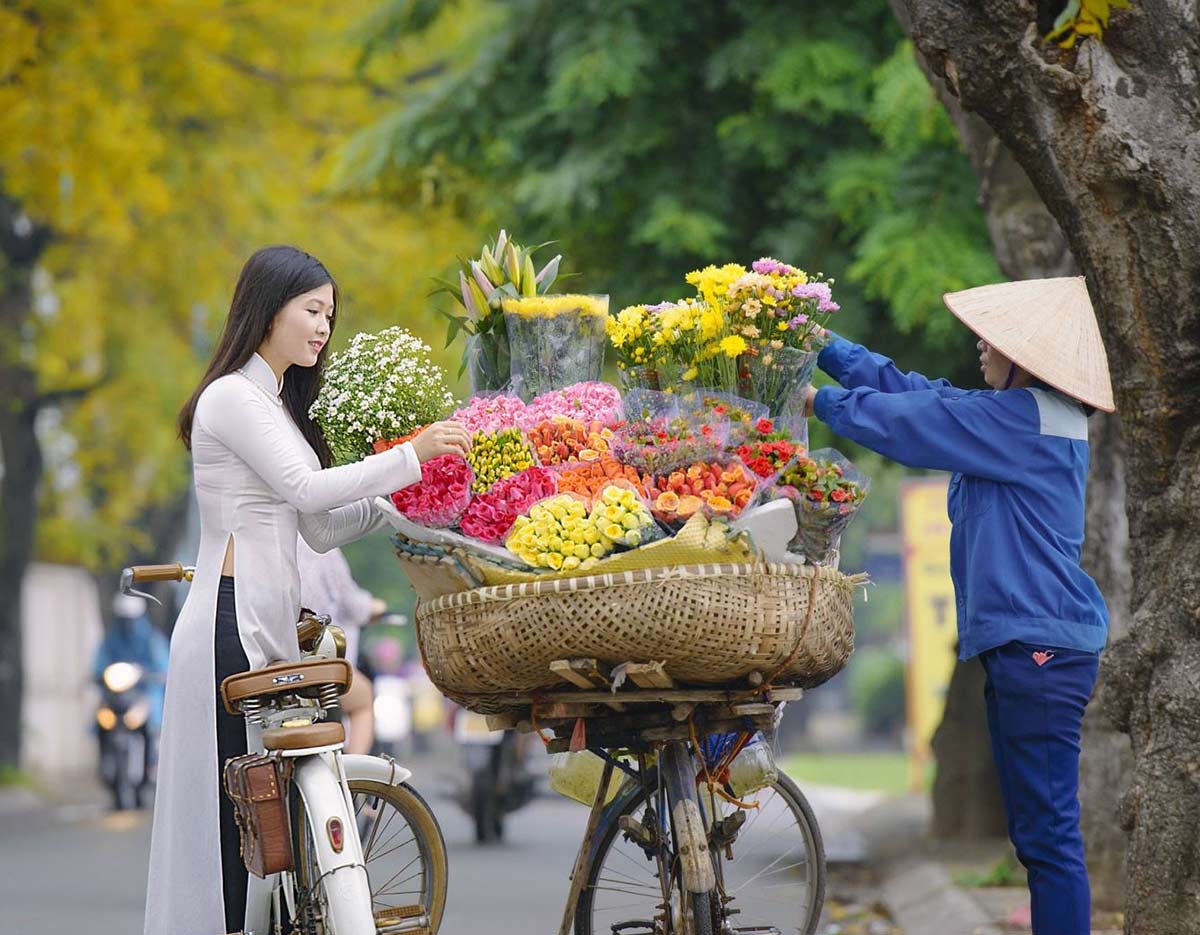
Why is autumn in Hanoi so special?
.jpg)
High And Low Season For Tourism In Vietnam
Let Inbound Vietnam help you discover the high and low season for tourism in Vietnam, so you can tailor your trip to your preferences.
Top 10 list of reputable travel brands in Vietnam
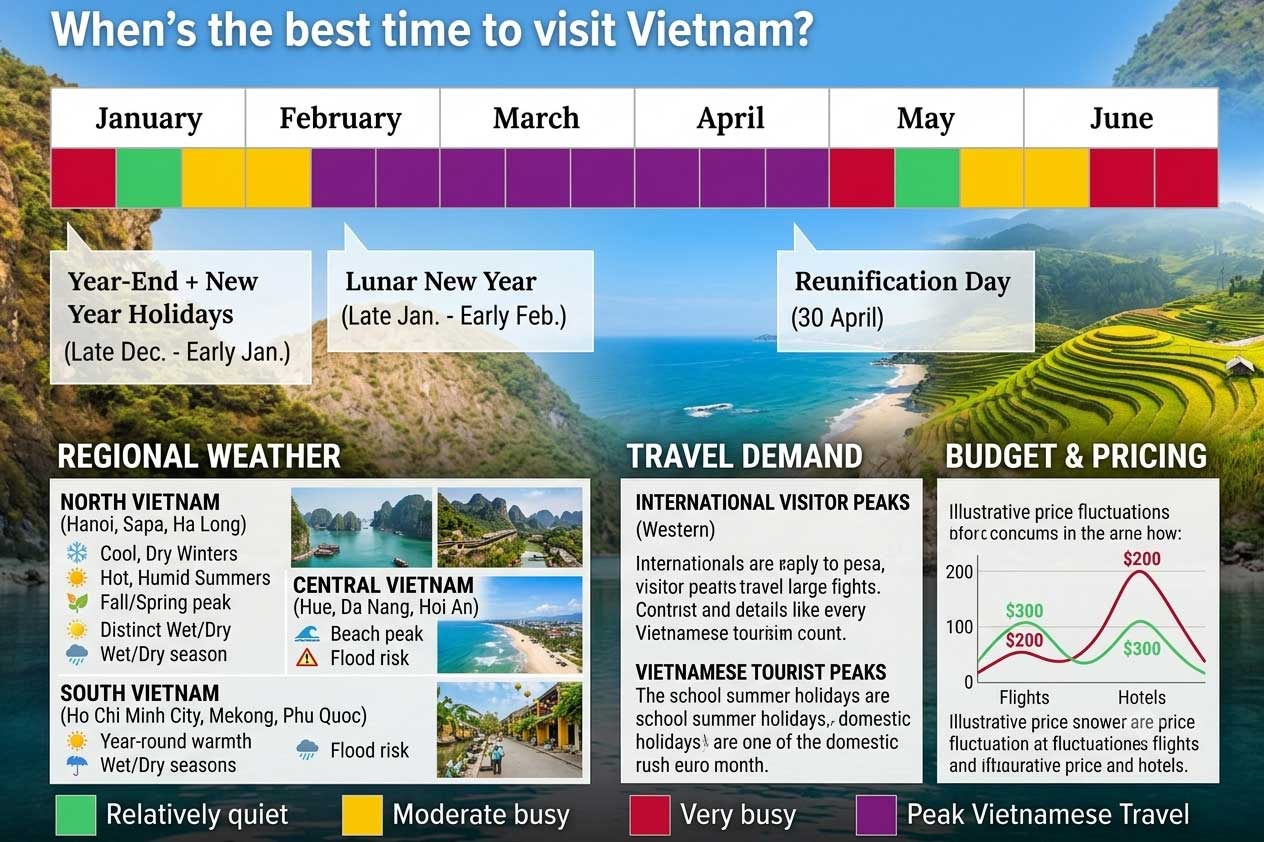
When is the best month to visit Vietnam?
Who is the best inbound tour operator in Vietnam?
Vietnam travel agency specializing in cultural tours
.jpg)
What Is Ho Chi Minh City Famous For?
Everything You Need to Know About Land Tour Vietnam
.jpg)
Vietnam Travel Tips For First timers
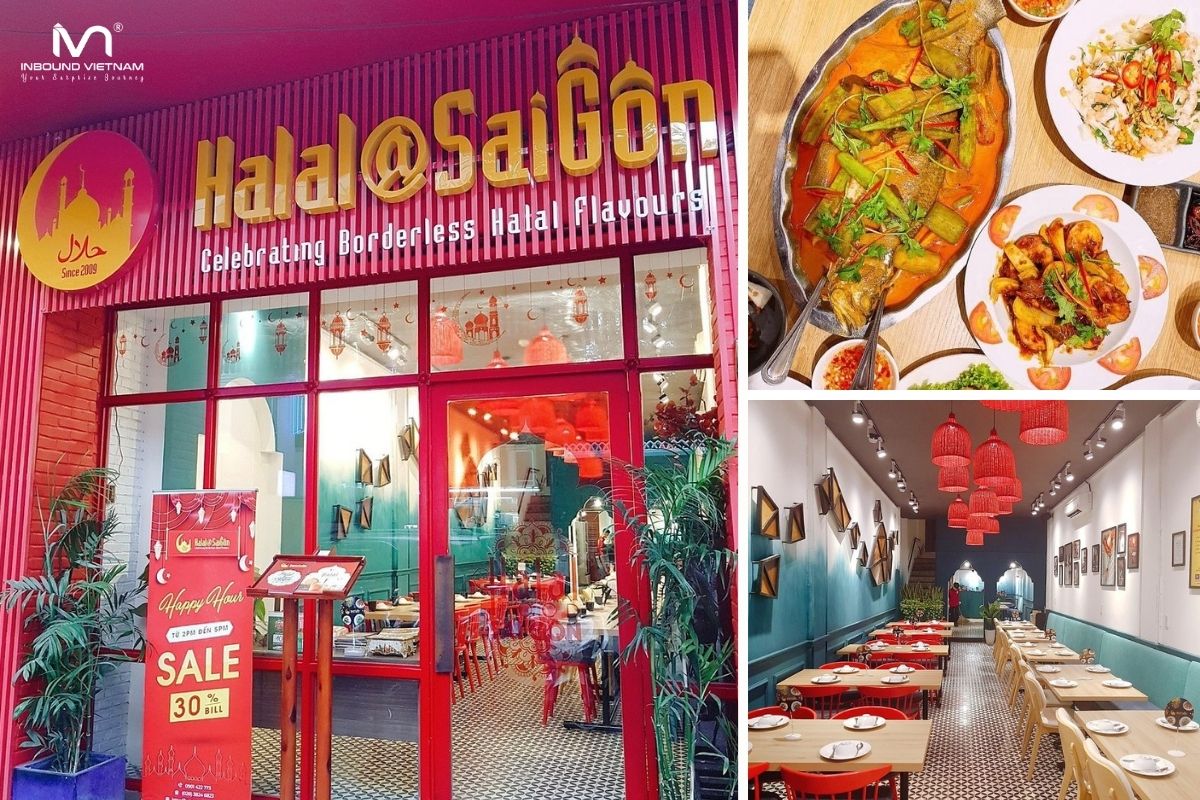
Top 10 Halal Restaurants in Ho Chi Minh
Top 10 Halal Restaurants in Hanoi
Halal Tour in Vietnam - Your Essential Travel Guide
Top 10 Halal Restaurants in Da Nang
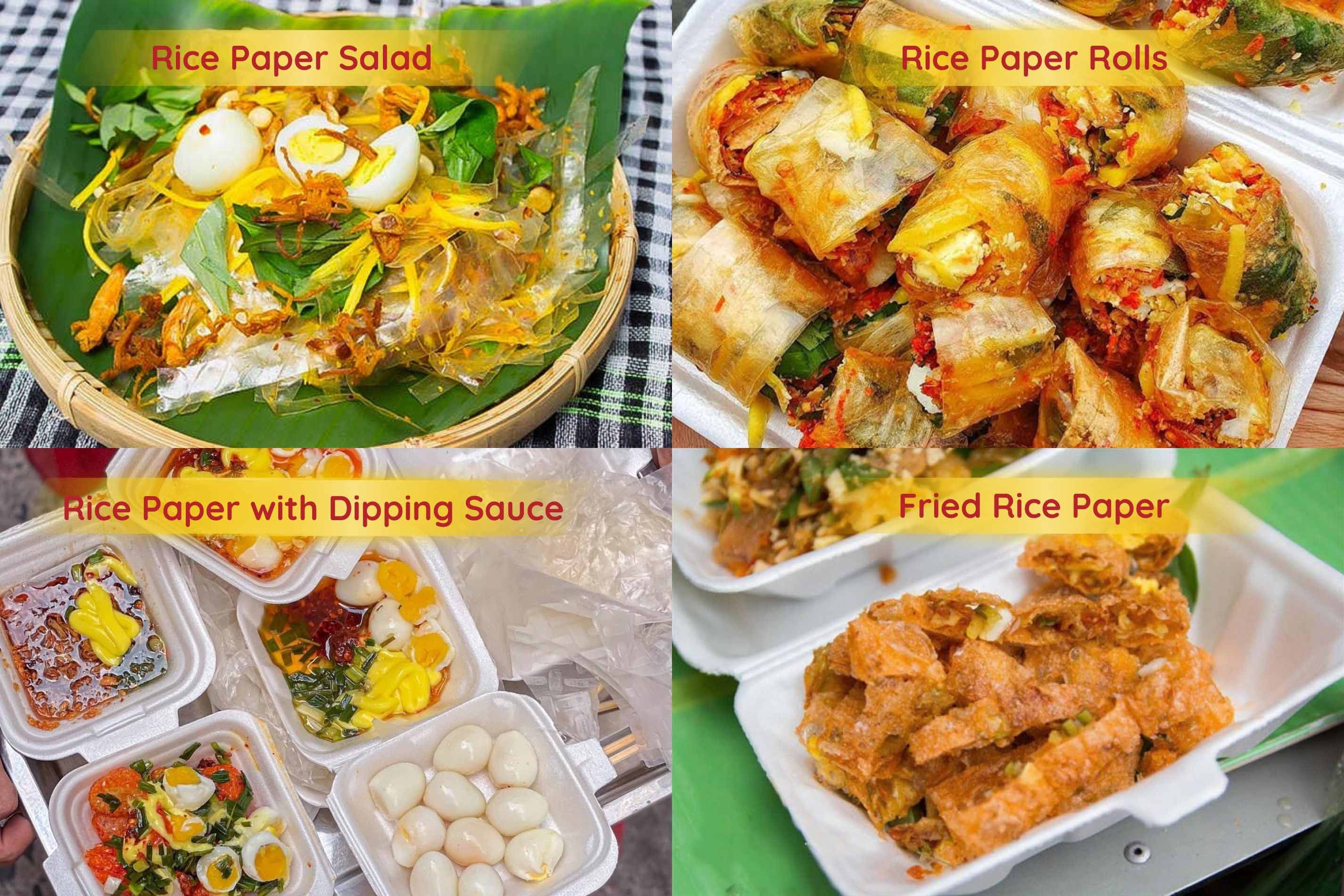
Food tour in Ho Chi Minh City, quintessence of Vietnamese cuisine
Top 10 most attractive food tour destinations in Ho Chi Minh
Top 10 Most Attractive Food Tour Destinations in Ha Noi
Food Tour Ha Noi - A Culinary Journey Through the Capital
Why You Need to Experience Hanoi Jeep Tours?
What makes Vietnam a safe and appealing destination?

List of 12 Countries Granted Visa Exemption by Vietnam Until 2028

Tips for Conquering Fansipan Peak in Vietnam
Top activities in Bay Mau coconut forest

What makes spring in Hanoi a popular time to visit?
What are some unique characteristics of winter in Hanoi?
Cultural Tours in Vietnam for Foreign Tourists
When is the Absolute Best Time to Visit Sapa in Vietnam?

The Best Time to Visit Vietnam: A Detailed Guide for International Travelers
Hue Food Tour Eat Like A Local

Hoi An Food Tour Guide for Visitors
Vietnam Travel Guide: Everything You Need to Plan Your Trip
Mekong Delta Food Tour: Authentic Flavors and Culture
Food Tour in Vietnam: Your Culinary Adventure
Adventure Travel in Vietnam: Unique Adventures and Tours
How to get to and from Tan Son Nhat Airport (SGN) by bus?
Traveling by Bus between Noi Bai Airport (HAN) and Hanoi
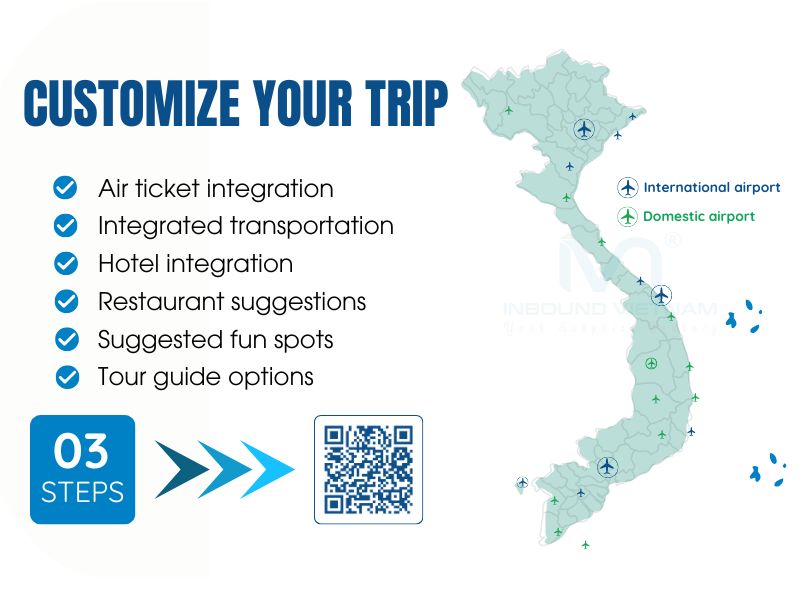
Customize Vietnam Trip: Design Your Perfect Journey with Inbound Vietnam Planner
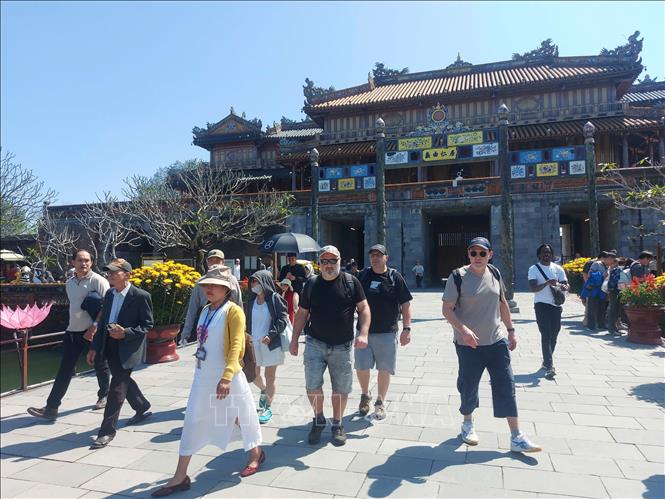
Market Insight: Analyzing Vietnam’s 2026 Travel Trends and Top-Tier Products
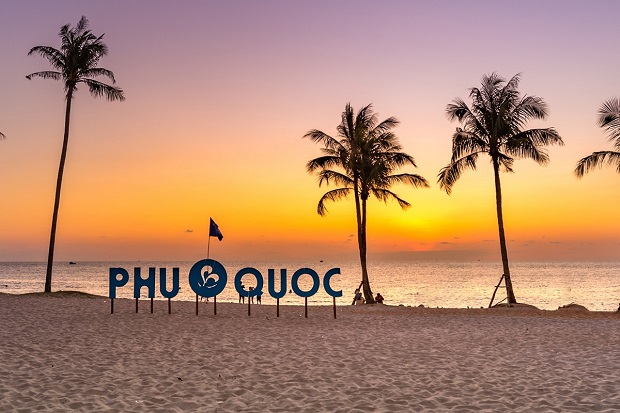
Tour Phu Quoc & Mekong Delta: The Perfect Beach and River Combo

Southern Vietnam in Dry Season: Best Time for Phu Quoc & Mekong
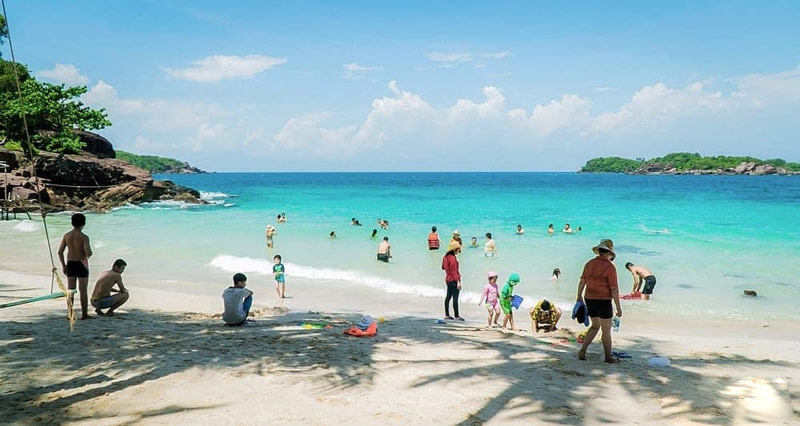
A Guide to Southern Vietnam: Sunny Beaches and Floating Markets
The Best Time to Visit Central Vietnam: A Spring Guide to Hue, Da Nang, and Hoi An

The Soul of Vietnam: Discover the Timeless Beauty of Lunar New Year (Tet)
Hue: Named a Top Global Romantic Honeymoon Destination for 2026
Beyond the Golden Bridge: A Central Vietnam Tour Itinerary of Top Things to Do

Why Spring is the "Golden Season" for a Halong Bay Cruise
Halong Bay or Lan Ha Bay? Choosing the Perfect Route for Your 2026 Trip
Top Things to Do in Lan Ha Bay: From Kayaking to Hidden Caves
Phu Quoc Visa Exemption 2026: Your 30-Day Guide to Vietnam Paradise Without a Visa
Nha Trang Diving Guide: Best Hidden Gems for Snorkeling
Cultural Immersion in Nha Trang: History & Cooking Classes
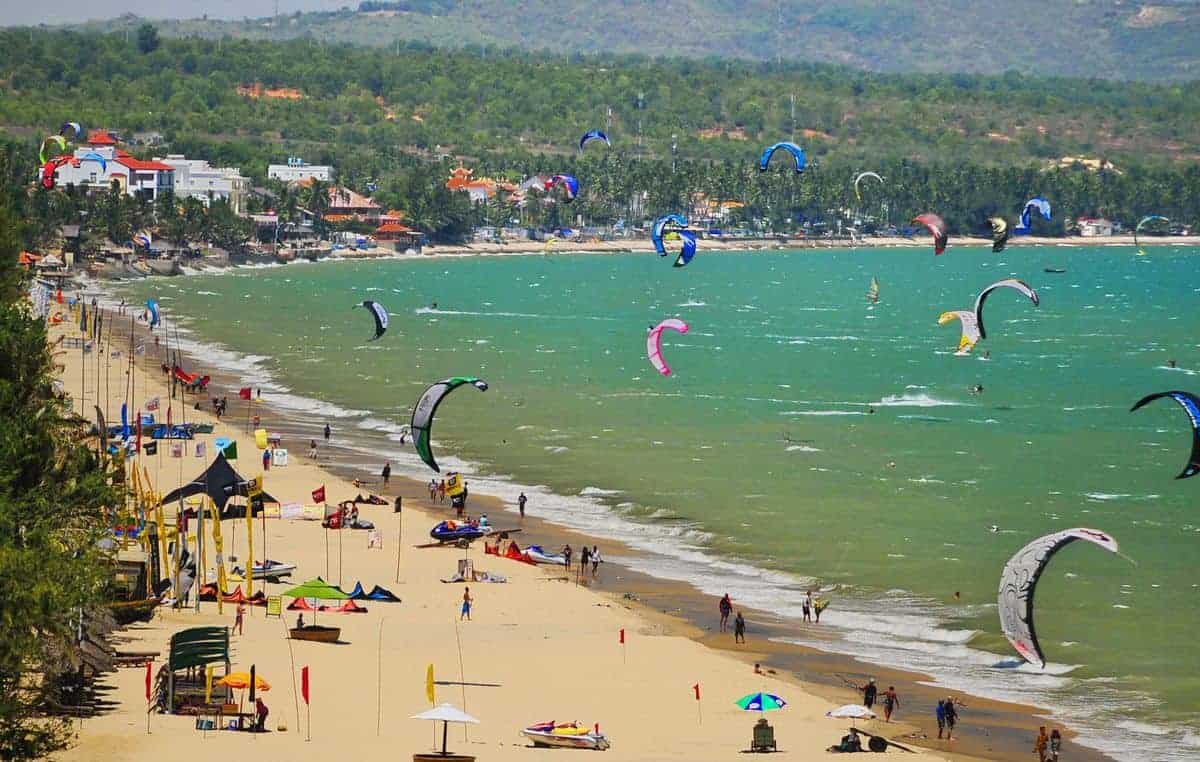
Mui Ne Sand Dunes & Kitesurfing: A Coastal Vietnam Adventure
.jpg)
Vogue France names Vietnam the most desirable travel destination in asia for 2026
.jpg)
Booking.com names Mui Ne the #1 trending destination in the world for 2026
.jpg)
CNBC reports Phu Quoc among the world's top trending destinations for 2026
.jpg)
Central Vietnam joins the world's most coveted travel destinations for 2026
.jpg)
Ten destinations across Vietnam set to draw record international visitors in 2026
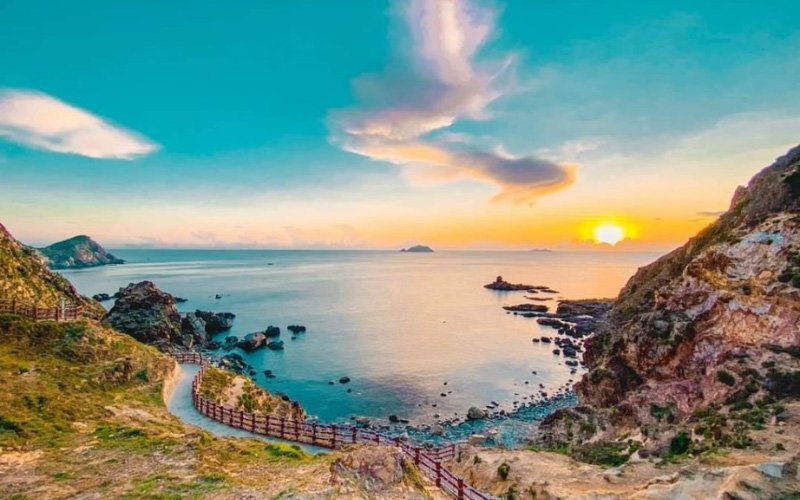
Lonely planet names Quy Nhon among the world's 25 best destinations for 2026
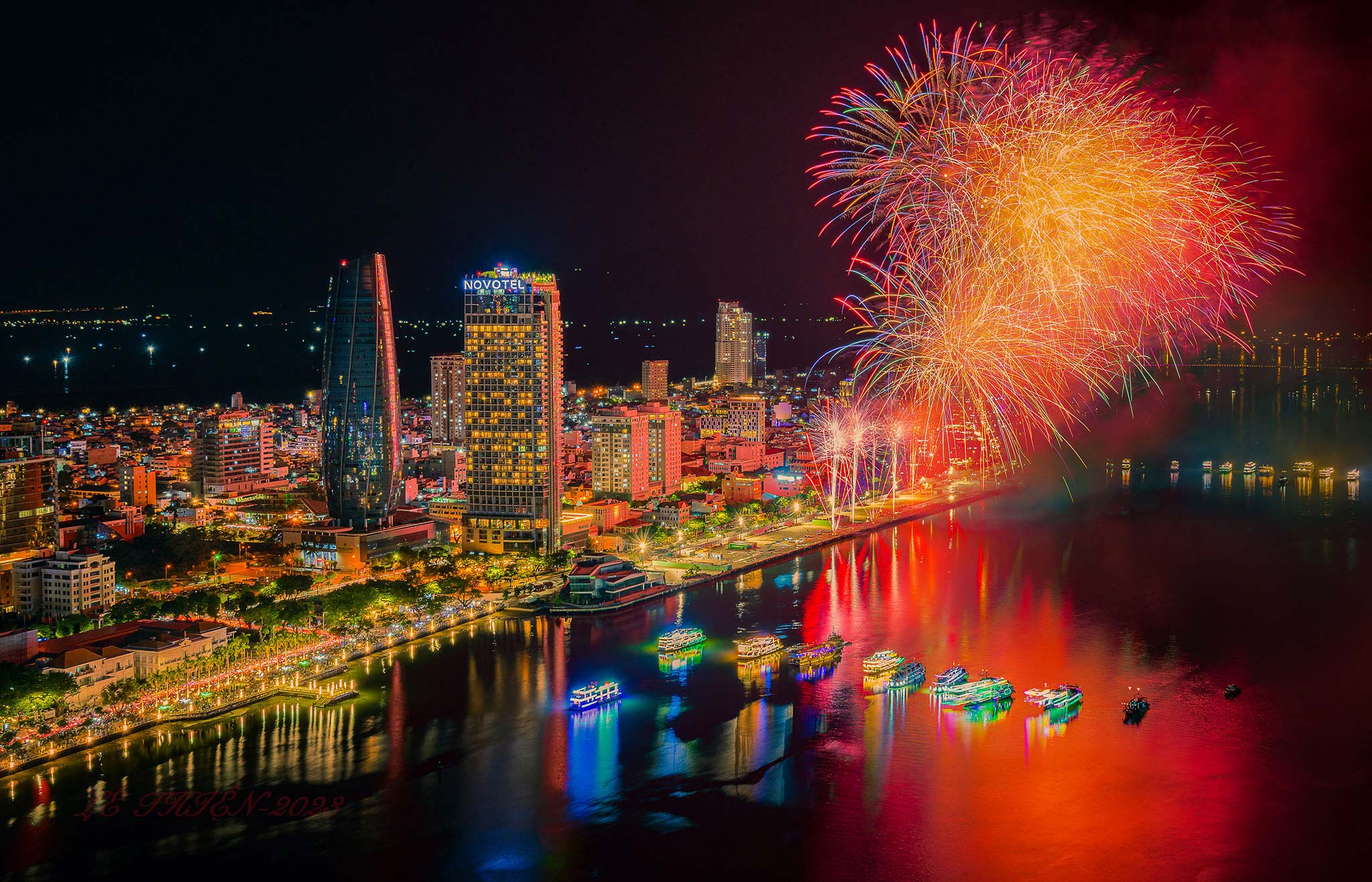
Lonely planet ranks Da Nang second among asia's best summer destinations for 2026
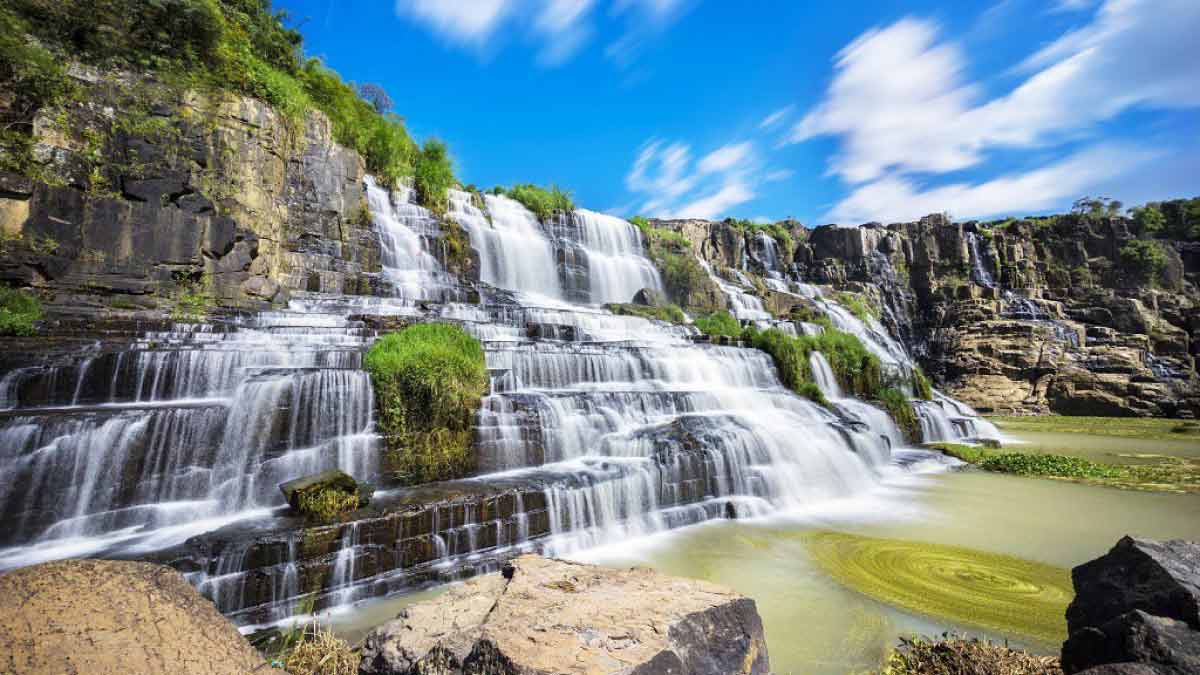
Vietnam breaks into the world's top five emerging tourism destinations for 2026
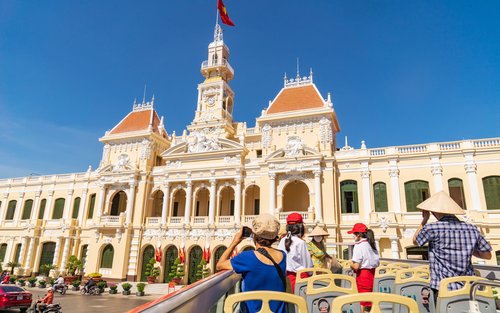
The Ultimate Guide to Daily Tours in Ho Chi Minh City & Phu Quoc: Must-Visit Experiences

Buôn Ma Thuột Named Among National Geographic's 15 Best Food Destinations in the World 2026
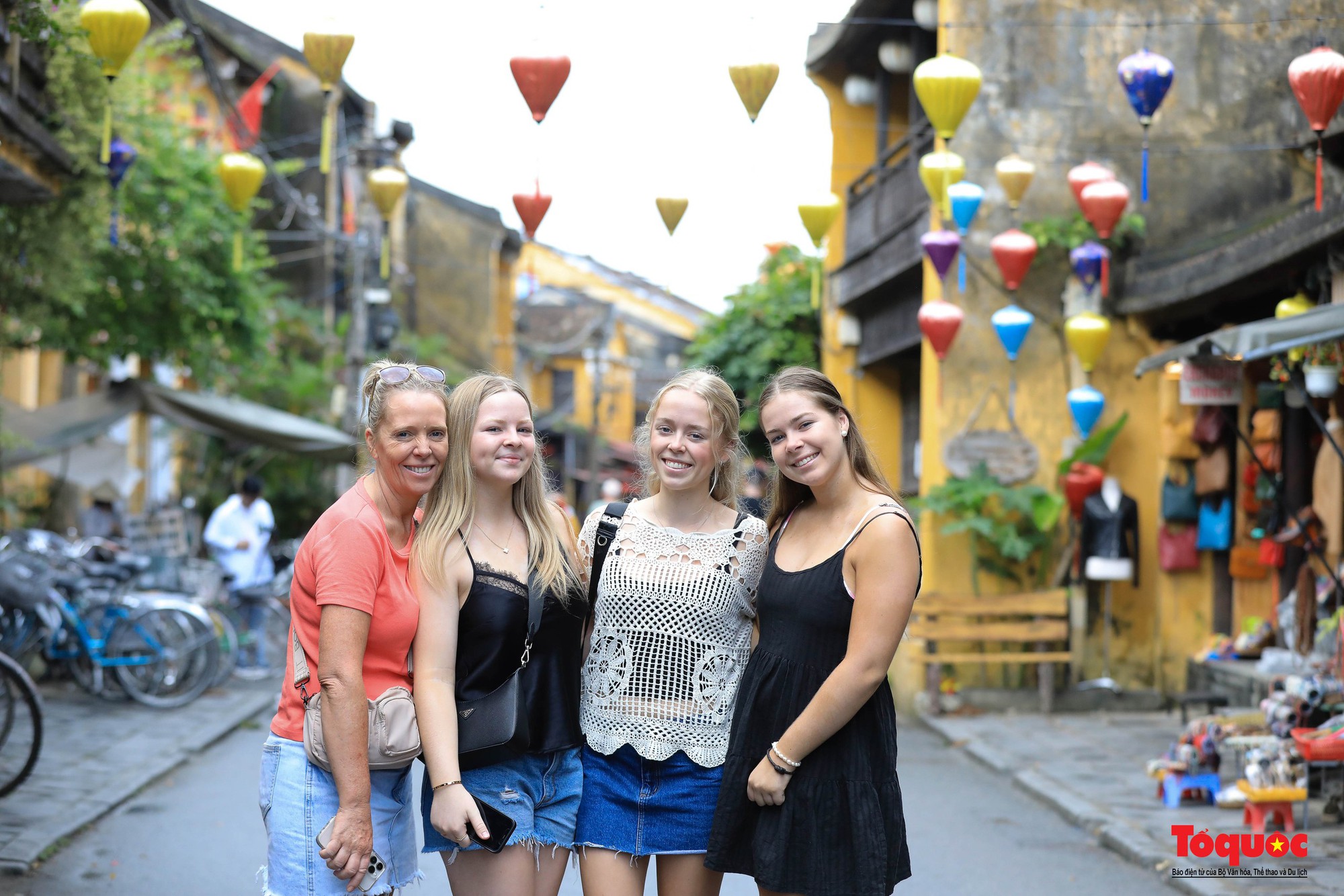
Hoi An Shines Globally: Named Among the Top 5 Best Cities in the World for 2026

Ta Xua crowned Asia's leading emerging tourism destination 2026 at the world travel awards




.png)
